The three materials that make sense in Louisiana
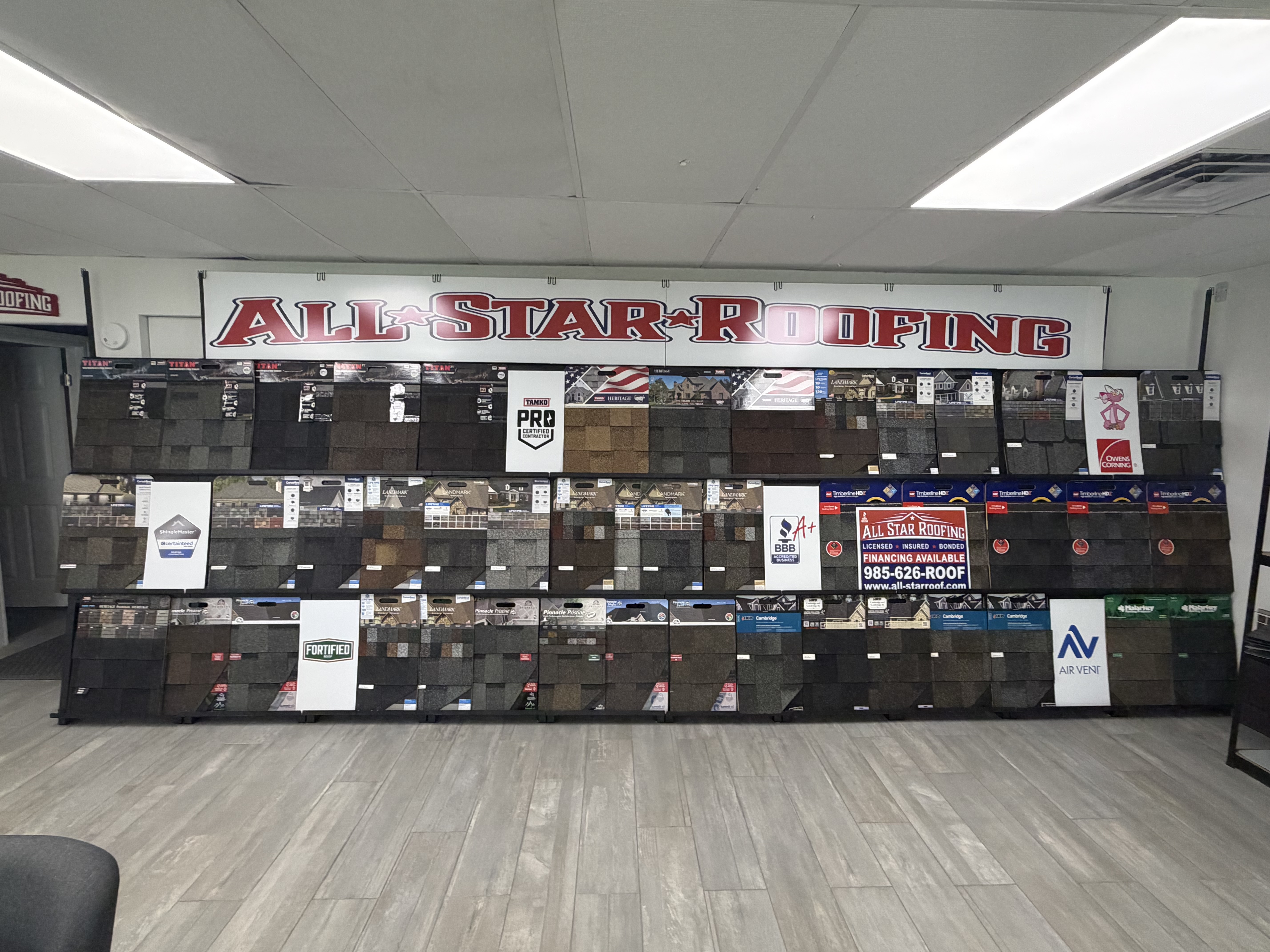
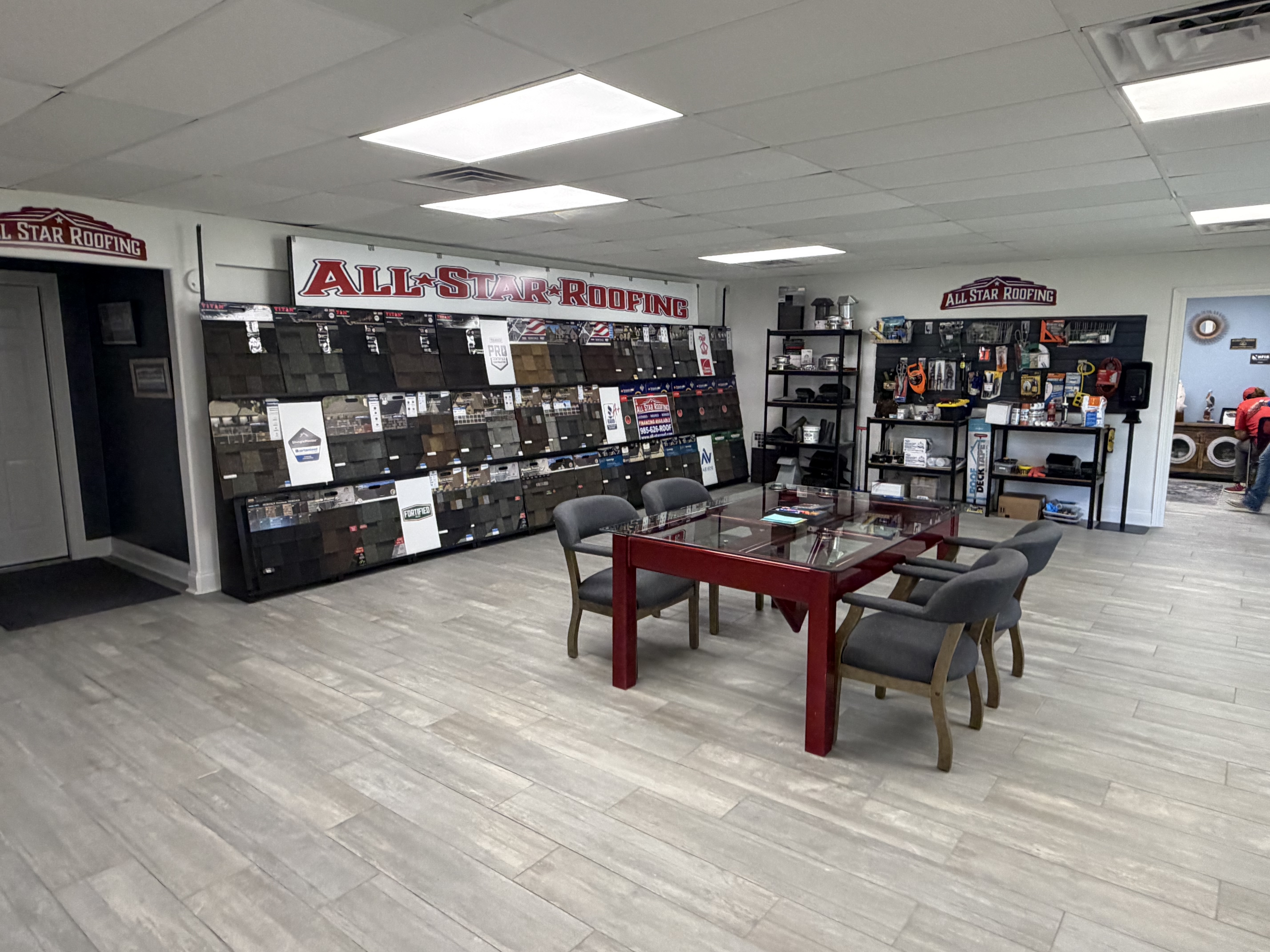
Walk into our Mandeville showroom and the wall of samples can make roof shopping look complicated. It is not, really. For homes in South Louisiana, the field narrows quickly to three serious contenders: architectural asphalt shingles, impact-resistant (Class 4) shingles, and metal roofing. Each one can be the right answer — for different houses, budgets, and owners. What follows is how we walk homeowners through the choice, based on what actually survives and performs on Northshore roofs.
The reason the field is narrow is our climate. A roofing material here has to handle four things at once: hurricane-force wind, months of intense heat and UV, near-constant humidity with its algae growth, and the occasional hail event. Materials that thrive in Arizona or Michigan can fail unremarkably here. The three below have proven track records in our conditions.
Architectural asphalt shingles: the Louisiana default
Architectural (dimensional) shingles cover most roofs in St. Tammany Parish, and for good reason: they offer the best cost-to-performance ratio available, they install predictably, and modern lines have closed much of the gap that once separated asphalt from premium materials.
What to look for in our climate:
- Wind rating that matches reality. Quality architectural lines carry 110–130 mph wind ratings — but only when installed to the manufacturer's high-wind fastening spec. The nailing pattern matters as much as the wrapper.
- Algae resistance. The black streaking on so many Louisiana roofs is algae feeding on the limestone filler in shingles. Modern algae-resistant shingles embed copper-bearing granules that suppress it for years. On the humid Northshore, do not buy a shingle without this.
- A manufacturer worth the warranty. We install TAMKO and CertainTeed architectural lines because both have performed well on our roofs and both stand behind their warranties. A warranty is only as good as the company honoring it in year fifteen.
Honest downsides: asphalt ages fastest of the three in our sun, expect a service life in the 15–25 year range depending on ventilation and exposure, and standard shingles offer the least hail resistance. For most owner-occupied homes on a normal budget, architectural shingles remain the sensible default.
Impact-resistant shingles: asphalt with an insurance angle
Class 4 impact-resistant shingles are architectural shingles built on a tougher, polymer-modified mat that resists cracking when struck. The rating comes from a standardized test — a steel ball dropped from height must not crack the shingle — and Class 4 is the highest tier.
Two things make them interesting for Louisiana homeowners:
- Hail and debris resistance. Our hail is less frequent than Texas hail, but wind-flung debris is a constant of tropical weather, and the same toughness that shrugs off hailstones helps with branches and airborne fragments. The flexible mat also tends to resist the brittleness that ends ordinary shingles' lives.
- Possible insurance credit. Many carriers offer premium discounts for Class 4 roofs. As with everything insurance, it varies by carrier and policy — ask your agent for the number before you buy, and let the real discount inform the math.
The premium over standard architectural shingles is moderate, and if you are pursuing a FORTIFIED roof, impact-rated shingles pair naturally with the standard's optional hail supplement. For homeowners who want maximum resilience without moving to metal, this is the step up.
Metal roofing: the long-game choice
Metal has moved from farmhouses and camps to some of the nicest streets in Mandeville and Covington, and its case in our climate is genuinely strong:
- Wind performance. Properly installed standing-seam metal carries the highest wind ratings of any common residential material — mechanical seams and concealed fasteners give wind very little to grab.
- Longevity. A quality metal roof with a modern finish is a 40–70 year roof. Owners who plan to stay put may never buy another roof.
- Heat behavior. Reflective and low-emissivity finishes shed solar heat instead of soaking it up the way dark asphalt does, which shows up in summer attic temperatures and cooling bills.
- Rain and debris shedding. Smooth panels shed water, pine straw, and leaves better than any granular surface — a real benefit under Northshore tree cover.
The trade-offs: upfront cost is the obvious one — metal runs a multiple of asphalt's installed price — and installation quality matters even more than with shingles, because panel systems have less tolerance for sloppy detailing. Choose an installer with a real metal track record, not a shingle crew improvising. Cosmetically, hail can dent panels without compromising them, worth knowing before a claim conversation. Our metal roofing in Mandeville page covers the systems we install.
Matching the material to the homeowner
The right answer follows from your situation more than from any spec sheet:
- Staying 5–10 years, normal budget: algae-resistant architectural shingles from a major manufacturer, installed to the high-wind spec. The default for a reason.
- Staying long-term, resilience-minded: Class 4 impact-resistant shingles — ideally as part of a FORTIFIED replacement — with the insurance discount conversation had up front.
- Forever home, or done with reroofing: standing-seam metal. Highest upfront cost, lowest lifetime cost per year, best storm and heat performance.
Whatever the material, remember that installation quality decides more storm outcomes than material choice does. A mid-grade shingle nailed correctly to a well-prepared deck will outperform a premium product installed carelessly, every time. That is also why the deck-level details of a FORTIFIED build matter regardless of which covering you choose.
Conclusion: narrow it to three, then look at your roof
For Louisiana homes the real choice is architectural shingles, Class 4 shingles, or standing-seam metal — sorted by how long you are staying, how much resilience you want to buy, and what the budget allows. The tiebreakers are specific to your house: slope, tree cover, attic ventilation, and what the current roof reveals about how your site treats a roof. That is inspection territory. Start with our free 21-point roof inspection, then come see the actual materials in our Mandeville showroom — samples in hand beat samples on a screen — and we will price your replacement in whichever materials fit your shortlist.
Frequently asked questions
What is the best roofing material for Louisiana?
For most owner-occupied homes, algae-resistant architectural shingles installed to the high-wind spec. Class 4 shingles add resilience and possible insurance credit; standing-seam metal wins on longevity and wind performance.
Are metal roofs worth it in Louisiana?
For long-term owners, often yes: 40–70 year service life, the highest wind ratings of common residential materials, and reflective finishes that cut summer attic heat. The trade-off is a much higher upfront cost.
What are Class 4 impact-resistant shingles?
Architectural shingles built on a tougher polymer-modified mat that passes the highest tier of standardized impact testing. Many insurers offer premium discounts for them.
Which shingle brands does All Star Roofing install?
TAMKO and CertainTeed architectural lines, both with strong track records on Northshore roofs.
About All Star Roofing
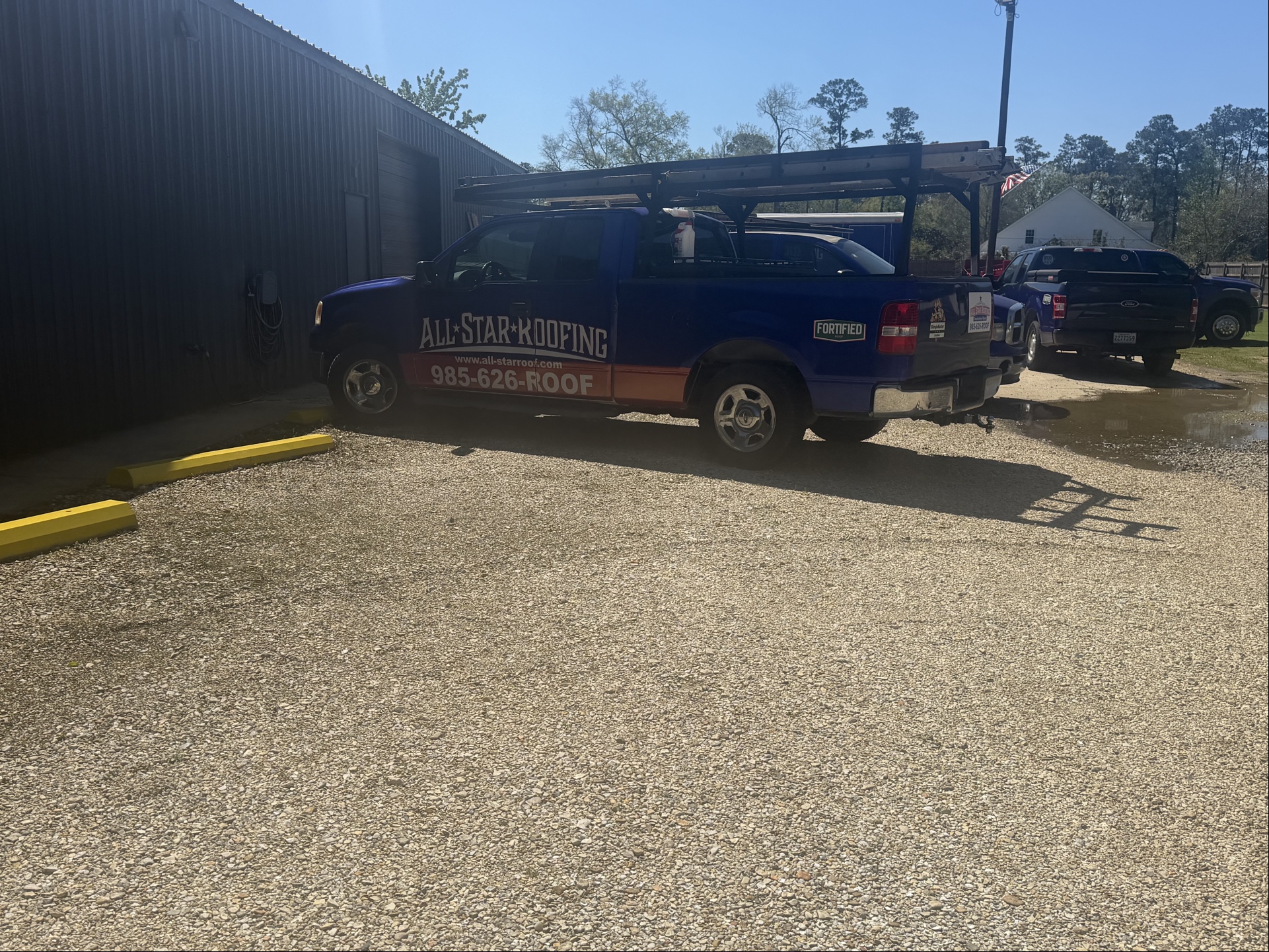
All Star Roofing is a local Mandeville roofing company serving Saint Tammany Parish with roof replacement, roof repair, storm damage documentation, gutters, ventilation, and FORTIFIED roofing guidance.
Have a roof question about your Northshore home?
Call (985) 626-7663 or request a free inspection from All Star Roofing in Mandeville.
Schedule Free Inspection