Humidity is part of the roof system in South Louisiana
In Mandeville, humidity is not an occasional condition. It is part of the environment your roof lives in every day. Warm moisture from the Gulf Coast, heavy summer air, afternoon storms, and long stretches of damp shade all affect asphalt shingles. That does not mean asphalt shingles are a poor choice for Louisiana homes. It means the roof system has to be installed and maintained with our climate in mind.
Asphalt shingles are designed to shed water, resist wind, and protect the home, but they perform best when the roof can dry between weather events. In humid areas near Lake Pontchartrain, drying can be slower. If leaves collect in valleys, tree limbs shade the roof, gutters overflow, or attic ventilation is poor, moisture lingers longer than it should. Over time that moisture can encourage algae staining, granule loss, soft decking, and flashing problems.
Many homeowners first notice humidity-related roof issues as dark streaks on the shingles. Those streaks are often algae, not dirt. Algae does not always mean the roof is failing, but it is a signal that moisture and shade are creating the right conditions for growth. The key is to respond with safe maintenance instead of harsh cleaning that can damage the shingle surface.
Common humidity-related roof problems
The most visible issue is blue-green algae, which appears as black or brown streaking. It feeds on limestone filler in some shingles and spreads in damp, shaded areas. Moss is less common on hot exposed roof slopes, but it can appear where leaves and moisture sit. Moss is more concerning because it can lift shingle edges and hold water against the roof surface.
Humidity also affects the underside of the roof. If attic ventilation is weak, hot moist air can stay trapped. That trapped air can raise attic temperatures, contribute to condensation, and stress shingles from below. In a climate where air conditioning runs hard, the attic and roof assembly need balanced intake and exhaust. A roof replacement that ignores ventilation may solve the visible shingle problem while leaving a hidden aging factor in place.
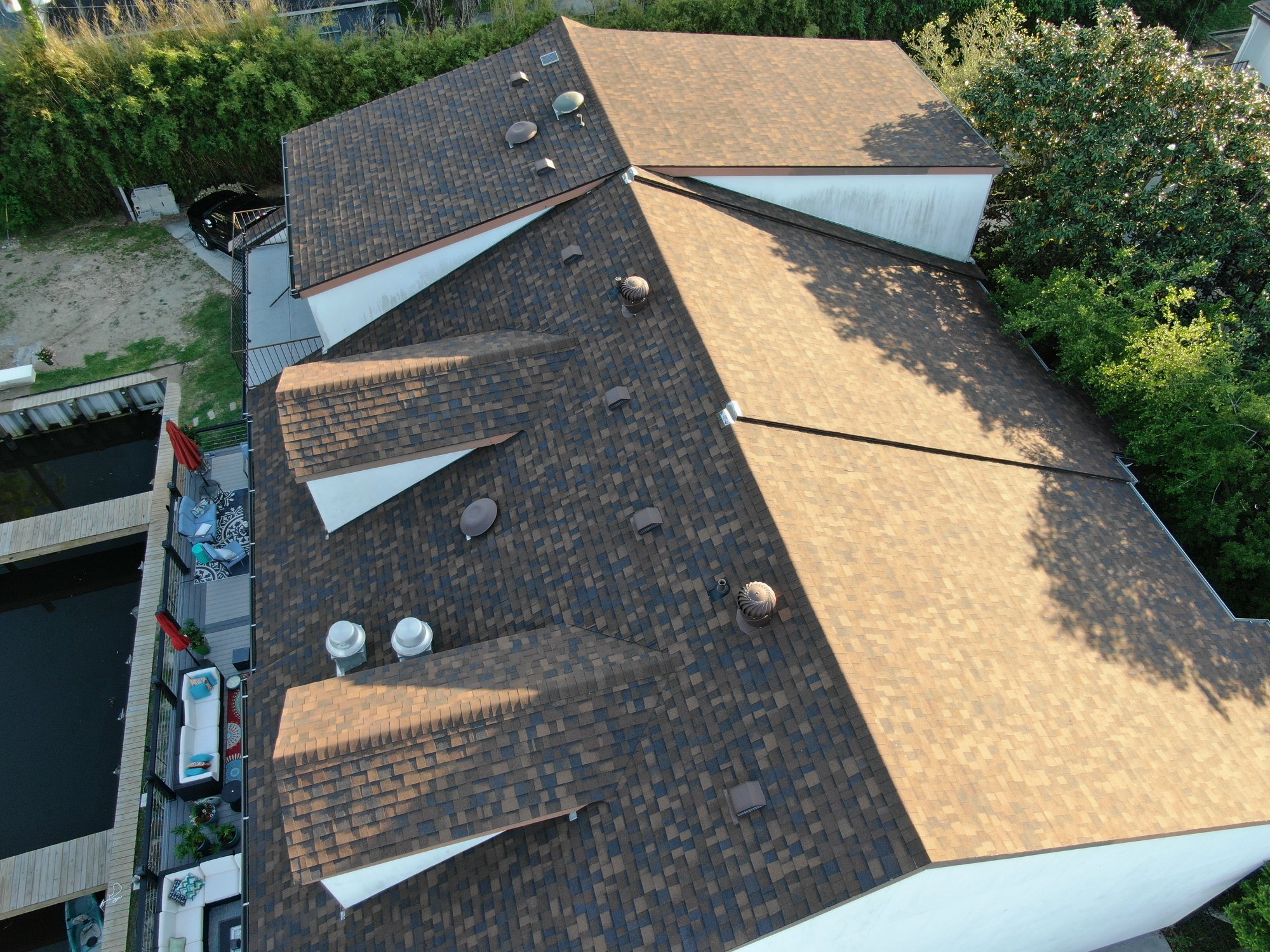
Flashing and penetrations deserve extra attention. Pipe boots, sidewall flashing, chimney flashing, skylight curbs, and low-slope transitions are common leak points. Humidity does not create bad flashing by itself, but it can make small leaks more damaging because wet materials dry slowly. A tiny leak around a boot can soften decking if it is ignored through repeated rain cycles.
- Dark algae streaks on shaded slopes
- Granule loss in areas where water moves slowly
- Leaf buildup in valleys and behind chimneys
- Soft decking near old leaks or poor ventilation
- Rust, cracking, or separation around penetrations
- Musty attic odor after repeated rainy weeks
Maintenance tips that actually help
The best roof maintenance in Louisiana is simple, consistent, and gentle. Start by keeping the roof clear of debris. Leaves, pine needles, and small branches hold moisture against shingles. Valleys and low-slope transitions should stay open so water can move off the roof quickly. Gutters should also be cleaned because overflowing gutters can soak fascia, soffits, and roof edges.
Trim limbs that touch or hang close to the roof. Trees are part of the Northshore landscape, and shade can help with cooling, but branches that scrape shingles remove granules. Heavy shade also slows drying. You do not need to remove every tree, but you should create enough clearance for airflow, sunlight, and safe roof access.
Avoid pressure washing asphalt shingles. Pressure washing can strip granules, force water under laps, and shorten roof life. If algae cleaning is needed, use manufacturer-approved cleaning methods or hire a roofing professional who understands shingle-safe washing. A roof should be cleaned to preserve it, not punished into looking new for a week. After long rainy stretches, a quick ground-level look can catch debris problems early.
- Clean gutters before and after storm season.
- Remove leaves and branches from valleys without damaging shingles.
- Trim limbs away from roof surfaces and gutters.
- Check pipe boots, vents, flashing, and skylight areas twice a year.
- Schedule a professional inspection after major wind or hail events.
Ventilation: the maintenance item homeowners cannot see
Attic ventilation is one of the most overlooked roof-life factors in humid climates. A balanced system brings air in through intake vents and releases hot air through exhaust vents. When intake is blocked or exhaust is inadequate, heat and moisture stay trapped. That can affect decking, insulation, comfort, energy use, and shingle life.
Signs of ventilation trouble can include a very hot attic, musty odors, uneven indoor comfort, bathroom fans venting into the attic, rust on nail tips, or visible moisture staining on decking. Some symptoms are subtle. That is why ventilation should be checked during a roof inspection, especially before replacing shingles.
Adding more vents is not always the right answer. Ventilation must be balanced. Mixing incompatible exhaust types can short-circuit airflow, pulling air from one roof vent to another instead of from the soffits. A professional should evaluate intake, exhaust, attic layout, and existing ventilation before recommending changes.
When humidity damage means repair or replacement
Not every stain requires a roof replacement. Algae streaking may be cosmetic if shingles are otherwise intact. Minor sealant issues or a cracked pipe boot may be repairable — see our roof repair in Mandeville page for the signs a targeted repair is the right call. The concern grows when you see missing shingles, widespread granule loss, lifted edges, recurring leaks, soft decking, sagging areas, or interior water stains.
Age matters too. A newer roof with one small leak may need a targeted repair. An older roof with widespread humidity staining, brittle shingles, poor ventilation, and repeated leak points may be near the end of its service life. The right decision depends on the roof as a system, not one photo.
Documentation helps homeowners make calm decisions. Photos of roof slopes, penetrations, attic conditions, and interior stains create a record. If a later storm causes damage, having a baseline can also help separate old wear from new damage.
Conclusion: humidity is manageable with the right habits
Louisiana humidity is tough on roofs, but homeowners are not powerless. Keep the roof clean, manage trees, maintain gutters, avoid pressure washing, check flashing, and pay attention to attic ventilation. These steps help asphalt shingles dry faster and perform closer to their intended life.
If you are seeing algae streaks, recurring damp spots, or signs of attic moisture, All Star Roofing can inspect the roof system and recommend practical next steps for your Mandeville, Covington, Madisonville, or Slidell home.
Frequently asked questions
Are black streaks on shingles mold?
They are often algae, not mold. Algae is common in humid, shaded areas and should be cleaned only with shingle-safe methods.
Can I pressure wash my asphalt shingle roof?
No. Pressure washing can strip protective granules and force water under shingles.
How often should I inspect my roof in Louisiana?
Homeowners should visually check the roof after major storms and schedule a professional inspection at least once a year.
Does attic ventilation affect shingle life?
Yes. Poor ventilation can trap heat and moisture, which may shorten roof life and contribute to decking problems.
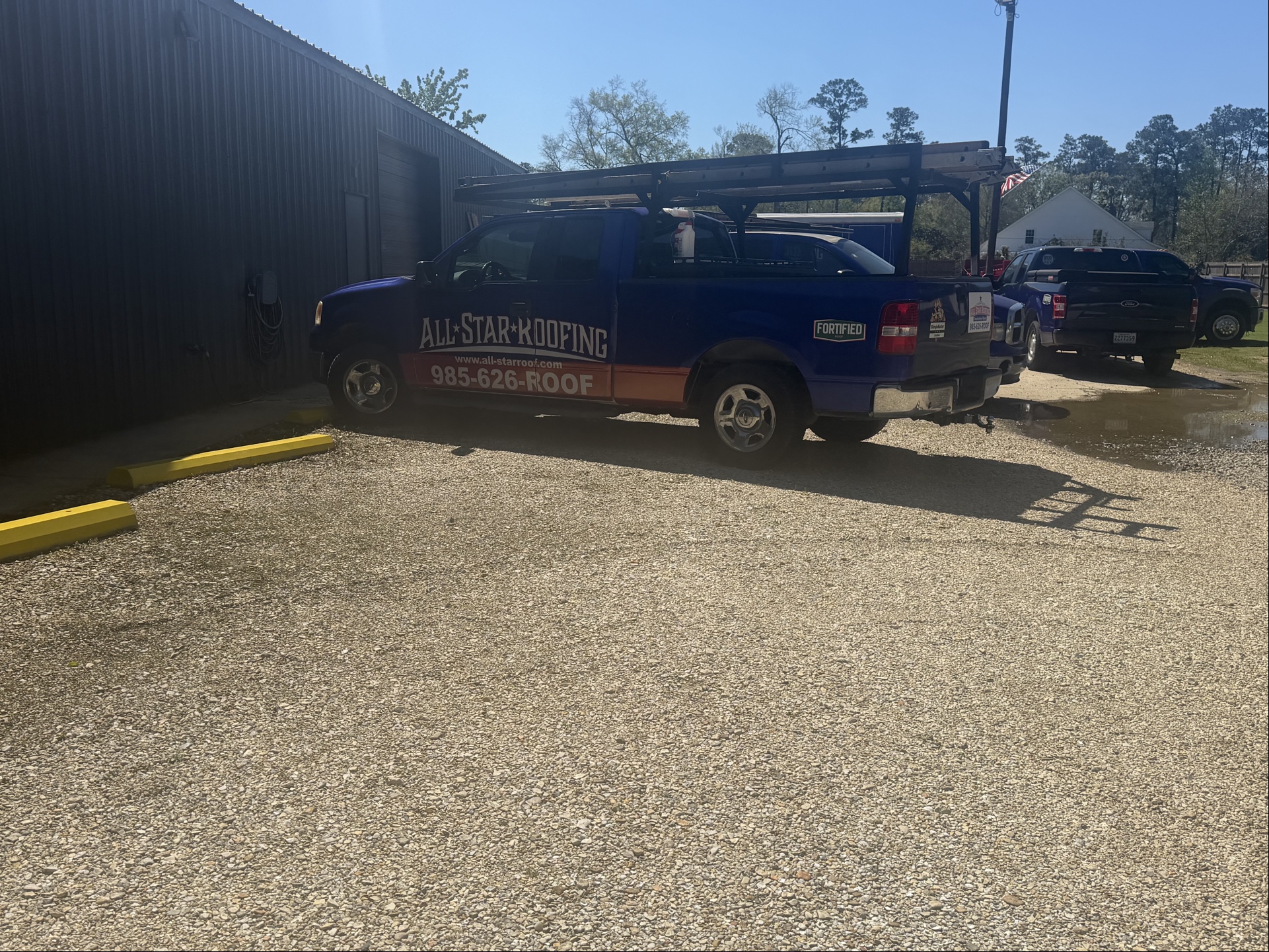
About All Star Roofing
All Star Roofing is a local Mandeville roofing company serving Saint Tammany Parish with roof replacement, roof repair, storm damage documentation, gutters, ventilation, and FORTIFIED roofing guidance.
Have a roof question about your Northshore home?
Call (985) 626-7663 or request a free roof replacement estimate from All Star Roofing in Mandeville.
Request Free Roof Replacement Estimate