Why Mandeville roof pricing needs a local answer
If you search for national roof replacement averages, you will find numbers that feel tidy but rarely match what a Northshore homeowner sees on a real estimate. Mandeville homes deal with Gulf Coast rain, heat, humidity, wind exposure, tree cover, steep rooflines, insurance requirements, and sometimes FORTIFIED roof upgrades. A roof near Lake Pontchartrain may age differently than a similar roof in a drier inland market, so a useful price guide has to start with local conditions.
In 2026, many Mandeville roof replacements fall into a broad range because every roof has a different size, pitch, access point, ventilation setup, decking condition, and shingle selection. A smaller, straightforward asphalt shingle roof can be much less than a large, steep, complex roof with multiple valleys, chimneys, skylights, and rotten decking. The best way to think about cost is not one magic number. It is a set of cost drivers that can be inspected, explained, and documented before work begins.
For most homeowners, the most important question is not only what the roof costs today. It is whether the roof will protect the home through heavy rain, wind-driven storms, summer heat, and insurance scrutiny. A low bid that skips underlayment details, flashing, ventilation, or clean documentation can become expensive later. A clear estimate should explain materials, labor, warranty coverage, disposal, code requirements, and optional upgrades in plain language.
Typical 2026 roof replacement price ranges
As a planning range, many asphalt shingle roof replacements in the Mandeville and Saint Tammany Parish area can land from the mid four figures for small simple roofs to well into five figures for larger or more complex homes. The final price depends on roof square footage, tear-off needs, slope, material quality, flashing complexity, decking repairs, ventilation work, and whether the homeowner chooses upgrades such as impact-rated shingles or FORTIFIED details.
A roof estimate is usually built around roofing squares. One square equals 100 square feet of roof surface, not living area. A 2,000 square foot home may have much more than 2,000 square feet of roof because of pitch, overhangs, garages, porches, and architectural features. That is why a drive-by guess can miss the real number. A careful contractor measures the roof surface and then verifies field conditions.
- Small, simple asphalt shingle roofs usually cost less because labor, disposal, and material quantities are lower.
- Steep roofs cost more because they require more safety setup and slower installation.
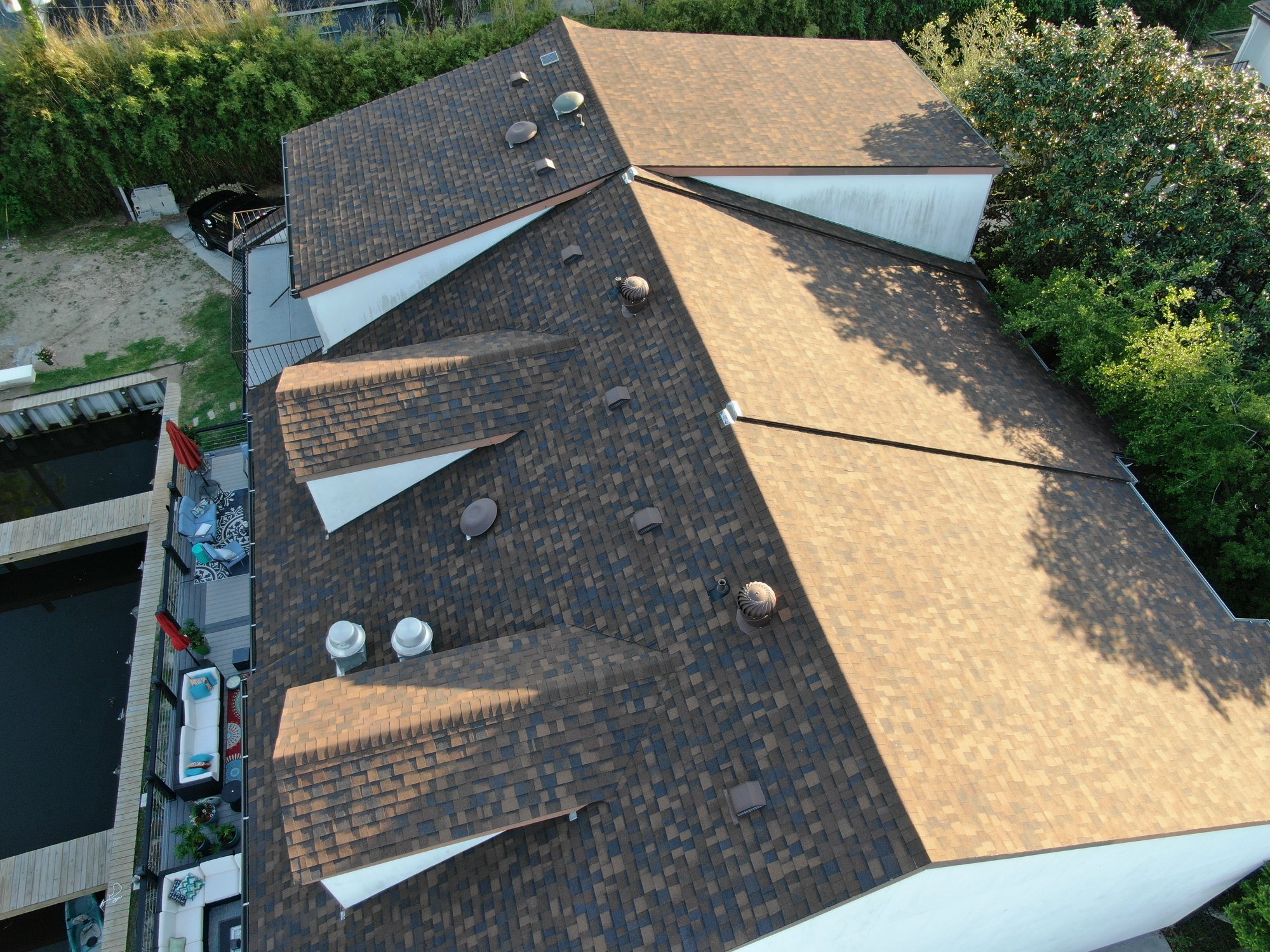
- Complex roofs with valleys, dormers, chimneys, and skylights need more flashing and detail work.
- Decking repairs, hidden leaks, and poor ventilation can add cost after tear-off if not documented early.
- Premium shingles, enhanced warranties, and storm-resistant assemblies raise the initial investment but may improve long-term value.
What changes the estimate on Northshore homes?
The first major driver is roof size. More roof surface means more shingles, nails, underlayment, ridge cap, starter strip, flashing, disposal, and labor. The second driver is roof pitch. A walkable roof is faster and safer than a steep roof that requires extra harnessing and staging. The third driver is complexity. Valleys, sidewalls, chimneys, dead valleys, low-slope transitions, and skylights take time because water must be directed correctly.
The fourth driver is tear-off and disposal. Removing one layer of shingles is different from removing multiple layers or dealing with old repairs. The fifth driver is decking. Louisiana humidity and repeated leaks can soften plywood or boards beneath the shingles. Decking problems are not always visible before tear-off, which is why your estimate should state how decking replacement is priced if it is needed.
Ventilation is another important cost factor. In South Louisiana, attic heat and trapped moisture can shorten shingle life. A roof replacement is the right time to correct intake and exhaust ventilation because the system is already open. Ridge vents, soffit intake, attic airflow, and bathroom fan terminations should be considered together. Fixing ventilation later often costs more than addressing it during replacement.
Materials: budget shingles versus better long-term value
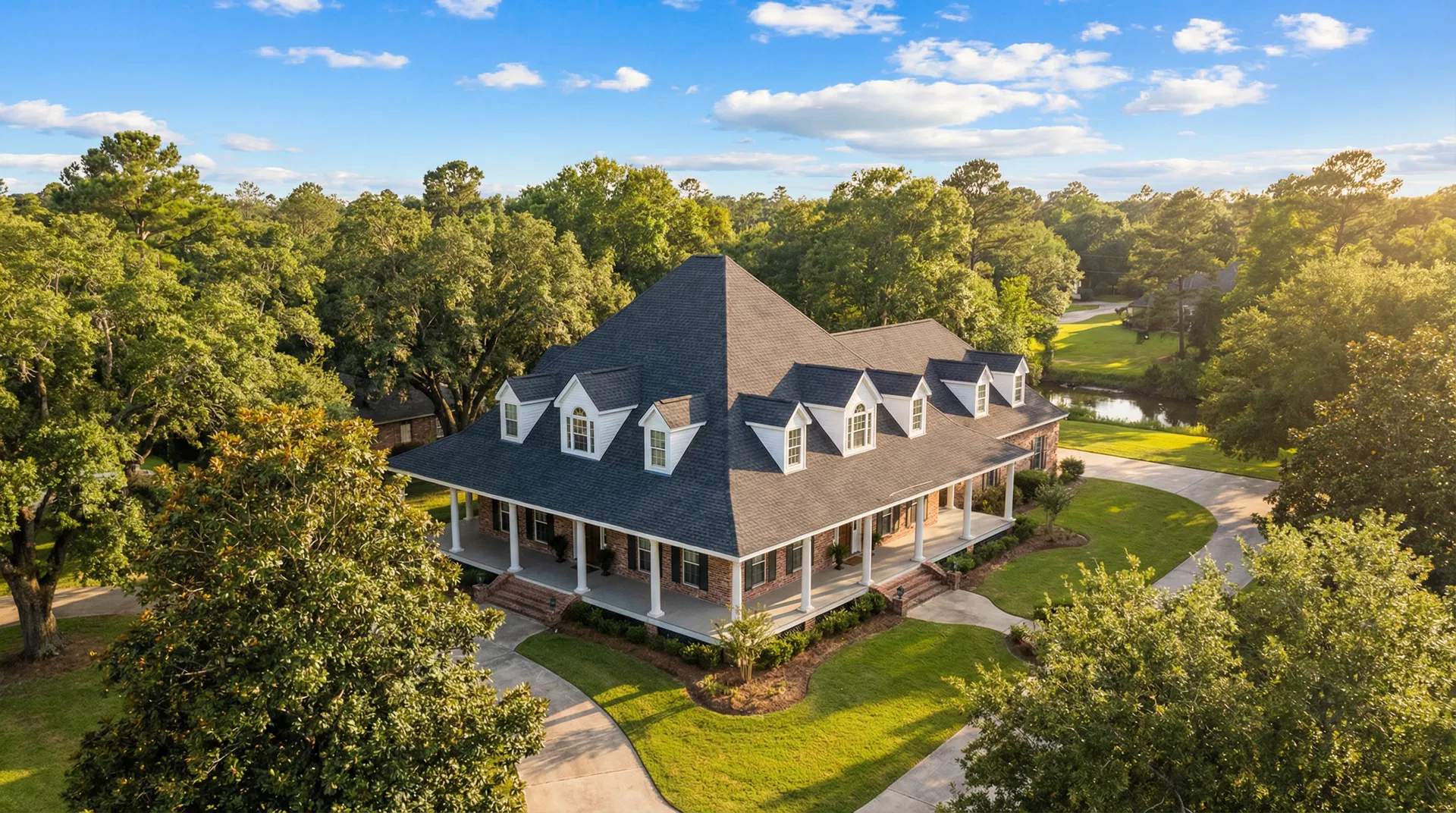
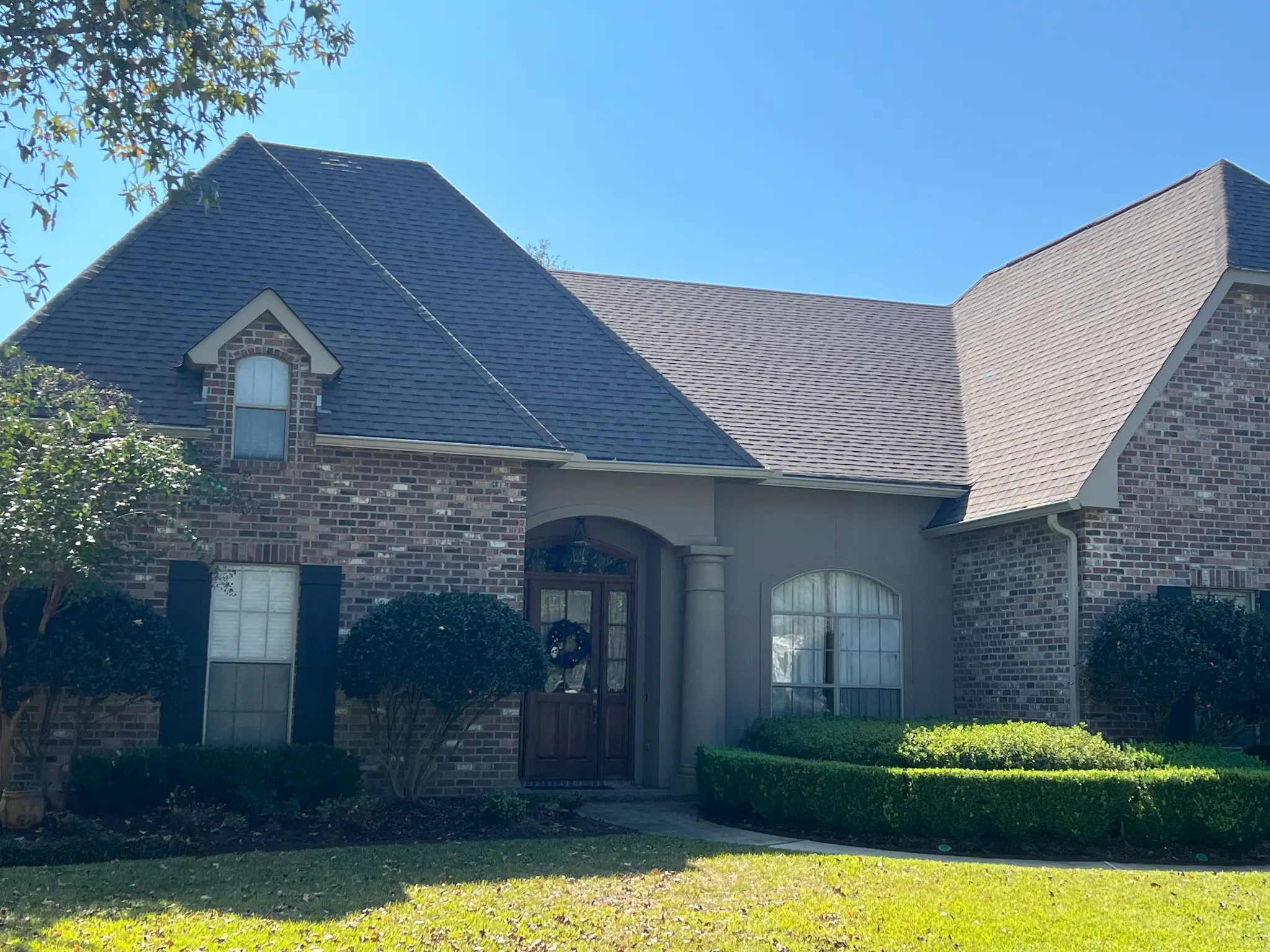
Most Mandeville homeowners choose architectural asphalt shingles because they balance cost, curb appeal, warranty options, and storm performance. Basic three-tab shingles are less common for full replacements because architectural shingles usually look better and perform better for the investment. Premium shingle lines can add impact resistance, stronger wind ratings, algae resistance, and richer color blends.
The shingle is only one part of the roof system. A durable replacement includes underlayment, ice and water barrier where appropriate, starter strip, ridge cap, pipe boots, flashing, ventilation, drip edge, fasteners, and cleanup. If one estimate is much cheaper than another, compare the full system. The lower price may be leaving out details that matter when Lake Pontchartrain storms push wind-driven rain against the home.
Manufacturer certification can also matter. Certified installers may offer stronger warranty options because they follow manufacturer standards. Ask which brand is being used, what warranty applies, what is covered by workmanship, and what maintenance is required to preserve coverage.
If you are comparing shingles with metal, review the metal roof system options before comparing bids. The selected profile, roof slope, decking work, flashing and attachment details affect the installed scope; request estimates for the same work.
Insurance, storm damage, and documentation
A roof replacement after hail, wind, or hurricane-season damage is different from a planned retail replacement. The scope may involve insurance documentation, adjuster meetings, code items, depreciation, deductibles, and proof of storm-related damage. Homeowners should avoid signing vague paperwork before they understand the process. A trustworthy roofing contractor will explain what can be documented and what decisions belong to the insurance carrier.
Photos matter. If your roof has missing shingles, creased shingles, hail bruising, damaged vents, lifted flashing, or interior stains, documentation should be clear and organized. That documentation helps reduce confusion and gives the homeowner a stronger record. It also helps separate storm damage from age-related wear, which is a common point of discussion after Gulf Coast weather events.
Insurance proceeds do not remove the need for a quality scope. You still want proper materials, ventilation, flashing, code compliance, and cleanup. The goal is not to rush a claim. The goal is to restore the roof correctly and keep the homeowner informed.
How to compare Mandeville roofing estimates
Do not compare only the final price. Compare the details. A complete estimate should define the shingle line, underlayment, tear-off, disposal, flashing, drip edge, ventilation, warranty, payment schedule, expected timeline, cleanup process, and how unexpected decking is handled. If the estimate is missing those items, ask for clarification before approving work.
Local reputation matters because roofing is a trust business. Look for a contractor with a physical local presence, recent Northshore projects, proof of insurance, Louisiana licensing, manufacturer credentials, and clear communication. A roof is not a product you can easily return. The crew, supervision, installation standards, and follow-up all matter.
Finally, ask what happens after the roof is complete. Will the contractor walk the property, collect nails, inspect flashing, provide warranty paperwork, and answer maintenance questions? The handoff should feel organized. That is especially important for homeowners who plan to keep the home through multiple storm seasons.
- Request a full roof inspection instead of a ballpark guess.
- Ask for line-item clarity on materials and roof-system components.
- Confirm license, insurance, certifications, and warranty terms.
- Ask how decking repairs and change orders are documented.
- Choose the estimate that best explains value, risk, and long-term protection.
Conclusion: get a local inspection before budgeting
The average cost of roof replacement in Mandeville depends on roof size, pitch, complexity, material choices, decking condition, ventilation, and storm-related documentation. National averages can help with early planning, but they cannot replace a local inspection. A roof that looks simple from the driveway may hide ventilation issues, soft decking, or flashing problems. Another roof may look expensive but have a clean, straightforward scope.
If you are planning a 2026 roof replacement, start with a clear inspection and a written scope — our roof replacement in Mandeville page walks through the full process. All Star Roofing can review your roof, explain options, document concerns, and help you understand what makes sense for your home and budget.
Frequently asked questions
How much does a roof replacement cost in Mandeville, LA?
The cost depends on roof size, slope, materials, tear-off, decking, ventilation, and complexity. A local inspection is the only reliable way to price the project.
Does insurance cover roof replacement after a storm?
Insurance may cover storm-related damage if the damage is documented and meets policy terms. Age, wear, and maintenance issues are usually handled differently.
How long does roof replacement take?
Many straightforward residential roof replacements take one to two days, but larger, steeper, or more complex homes can take longer.
Should I choose architectural shingles?
Most Northshore homeowners prefer architectural shingles because they offer better appearance and performance than basic three-tab shingles.
About All Star Roofing
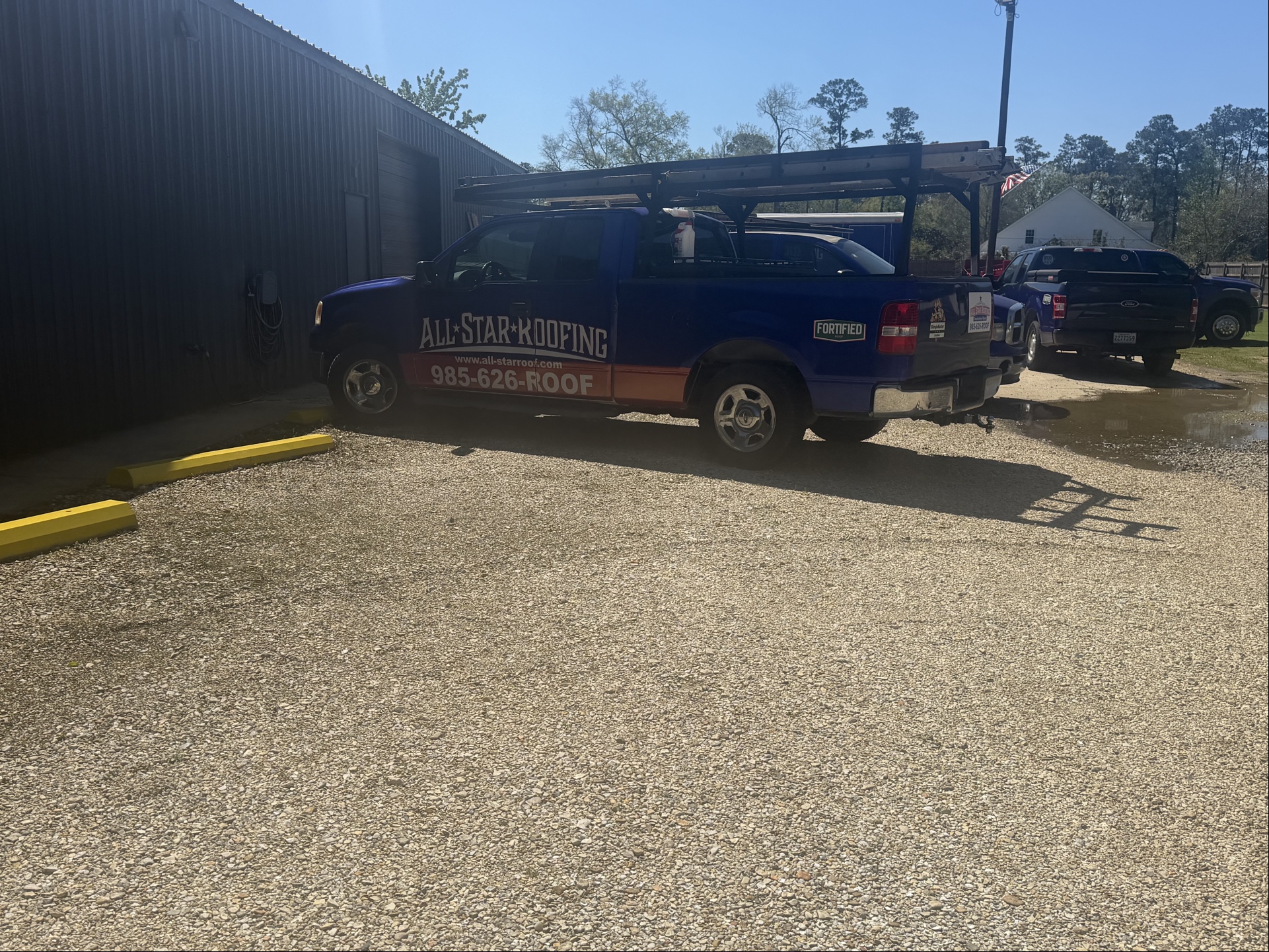
All Star Roofing is a local Mandeville roofing company serving Saint Tammany Parish with roof replacement, roof repair, storm damage documentation, gutters, ventilation, and FORTIFIED roofing guidance.
Have a roof question about your Northshore home?
Call (985) 626-7663 or request a free roof replacement estimate from All Star Roofing in Mandeville.
Request Free Roof Replacement Estimate