Why roof leaks can be difficult to trace after a Slidell storm
A ceiling stain after heavy rain tells you water entered the house, but it does not always reveal where the roof failed. Water can travel along roof decking, rafters, pipes, or wiring before it reaches a ceiling. The wet spot you see indoors may be several feet from the opening outside.
That matters in Slidell, where wind-driven rain can reach flashing, roof edges, vents, and lifted shingles from angles that ordinary rainfall does not. A small weakness may stay hidden during a light shower and leak only when rain and wind arrive together.
The safest response is to document what you see, protect the interior, and have the full roof system inspected. These seven warning signs can help you recognize when a roof needs attention without climbing onto a wet or storm-damaged surface.
1. New ceiling stains or expanding discoloration
A yellow, brown, or gray mark on a ceiling is one of the clearest signs that moisture has moved beyond the roof covering. Draw a light pencil line around the edge of the stain and note the date. If the mark grows during the next rain, the leak is probably active.
Do not assume a small stain means a small roofing problem. Insulation can hold water before the ceiling shows visible damage, and repeated wetting can affect drywall and framing. If the ceiling is bulging or dripping near a light fixture, keep people away from the area and shut off the affected electrical circuit if it is safe to do so.
2. Damp insulation or dark roof decking in the attic
If your attic is safely accessible, use a flashlight to look for damp insulation, darkened decking, water trails, or rusted nail tips. Check during daylight and do not step between framing members. Wet insulation may sit below the actual entry point because water often follows the roof structure before dripping.
Photos taken from a safe attic platform can help a roofer compare the interior evidence with shingles, flashing, vents, valleys, and penetrations outside.
3. Missing, lifted, or creased shingles
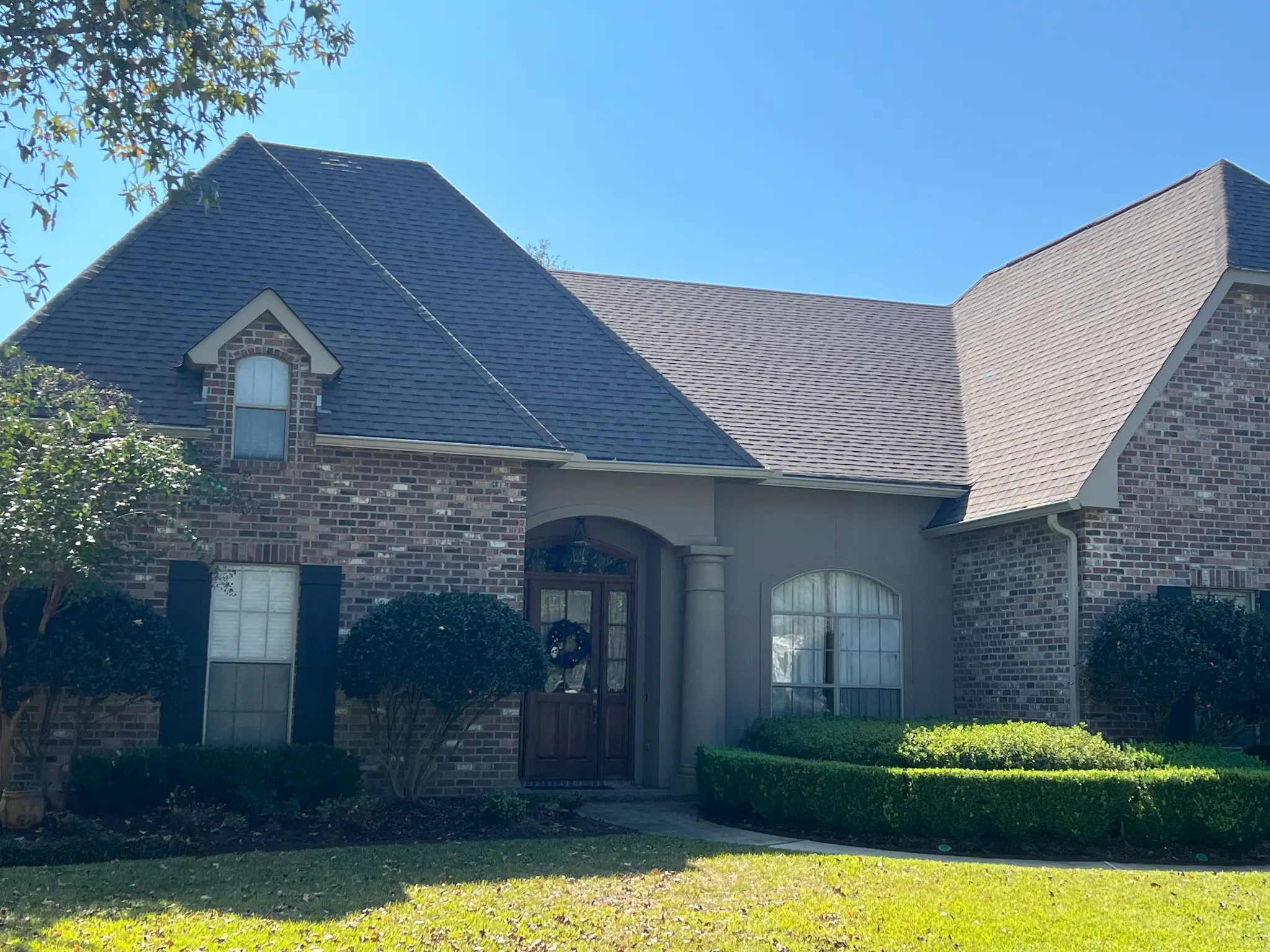
After strong wind, inspect the roof from the ground. Look for bare areas, uneven shingle tabs, lifted edges, or shingles in the yard. A shingle can also crease without detaching completely. Once the seal is broken, wind-driven rain may get beneath it even though the roof still looks mostly intact from the street.
Binoculars or a phone camera with zoom can provide a closer view without the risk of climbing. Avoid walking on a wet roof or placing a ladder near damaged gutters, loose power lines, or unstable tree limbs.
4. Water around vents, chimneys, skylights, or wall transitions
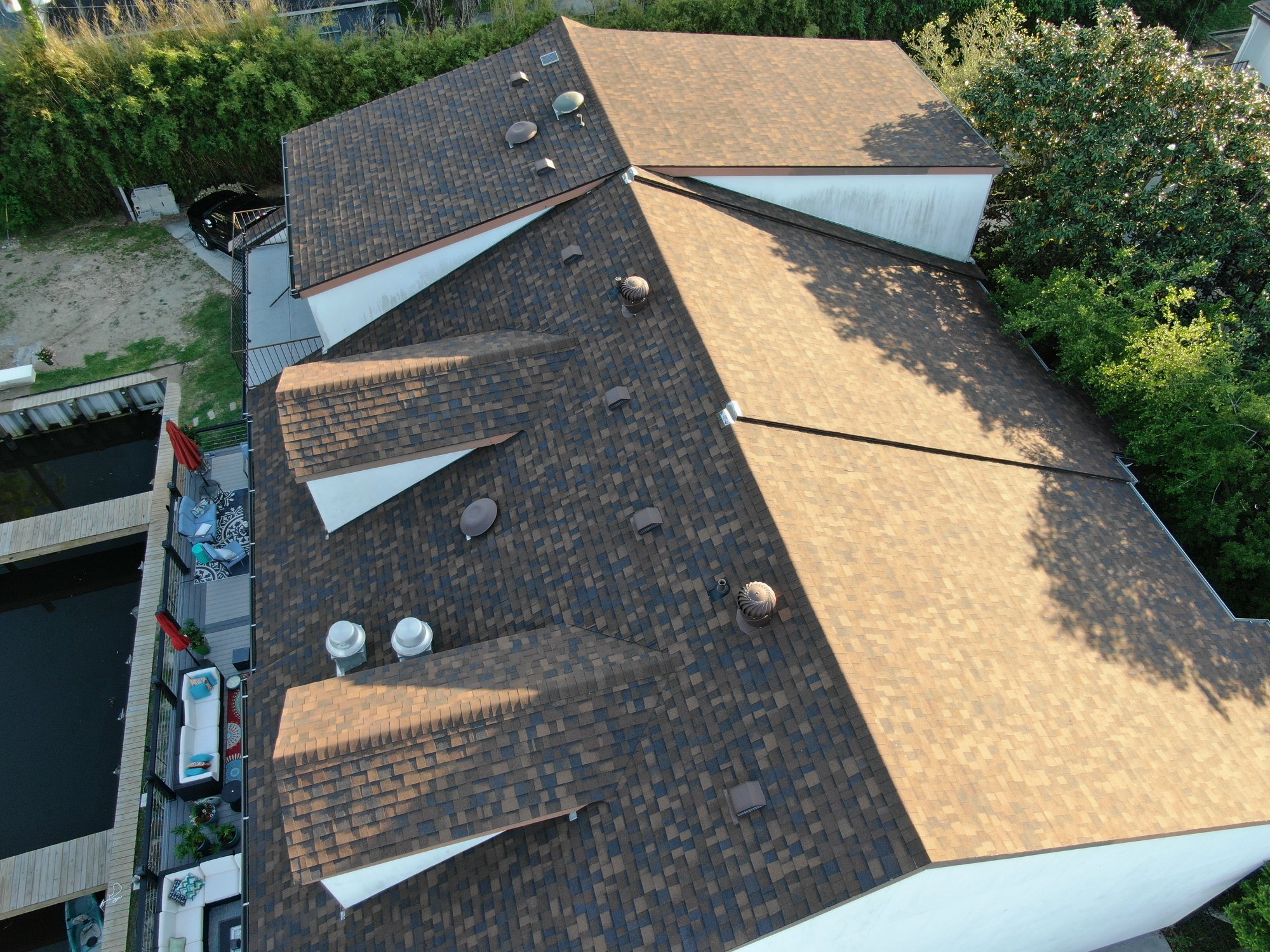
Many leaks begin where the roof changes direction or meets another component. Plumbing vents, chimneys, skylights, valleys, and roof-to-wall transitions all depend on properly layered flashing. Sealant can crack, pipe boots can split, and metal flashing can loosen over time.
Inside the home, a stain near one of these features is useful evidence, but it does not prove the component itself is the only problem. A proper inspection should trace the water path and check the surrounding roofing before recommending a repair.
5. Granules or shingle pieces in gutters and downspouts
Some loose granules are normal, especially on a newer roof, but a sudden heavy accumulation after a storm can indicate surface wear or impact. Shingle fragments, torn tabs, or pieces of ridge cap deserve faster attention.
Check gutters from the ground where possible. Water spilling over a clogged gutter can also soak fascia and roof edges, creating damage that looks like a shingle leak. The inspection should include drainage, drip edge, fascia, and soffits rather than focusing only on the middle of the roof.
6. Musty odors, peeling paint, or recurring indoor humidity
Not every roof leak produces an immediate drip. Slow moisture entry may first appear as a musty smell, bubbling paint, peeling texture, or dampness near an exterior wall. If these symptoms return after rain, record when and where they occur.
These signs can also come from plumbing or air-conditioning condensation, so diagnosis matters. A roofer can determine whether the roof is the likely source and identify the correct repair area instead of applying sealant to the most obvious surface.
7. Debris impact or damaged roof edges
Slidell homes often sit near mature trees, and storm debris can damage shingles, flashing, gutters, and roof edges. Even when a branch rolls off without puncturing the roof, it may loosen material or create a break that admits water during the next storm.
Photograph fallen limbs and visible exterior damage before cleanup when it is safe. If debris is still resting on the roof, leave removal to a qualified professional. Moving it can expose an opening or cause additional damage.
What to do when you find a possible roof leak
- Protect the room. Move furniture and belongings away from the wet area. Use a container for active drips and avoid disturbing a sagging ceiling.
- Document the conditions. Photograph stains, drips, attic evidence, fallen debris, and visible exterior damage. Record the date and approximate time of the storm.
- Do not climb onto a wet roof. Ground-level photos and safe attic observations are enough for the first call.
- Schedule an inspection. Ask for photos and a written explanation of the source, recommended scope, and whether the issue appears localized or widespread.
- Keep receipts and reports. If insurance becomes involved, organized records make it easier to explain what happened and when.
When a repair may be enough
A localized repair may be appropriate when the surrounding roof is still in sound condition and the problem is limited to an isolated shingle area, pipe boot, flashing detail, or small storm-damaged section. The repair should correct the source of the water, not just cover the interior symptom.
Replacement becomes a more serious consideration when damage is widespread, shingles are brittle or near the end of their service life, decking has deteriorated, or leaks keep appearing in different areas. The right recommendation depends on the entire system, which is why the first step should be evidence rather than assumptions.
What Slidell homeowners should expect from the inspection
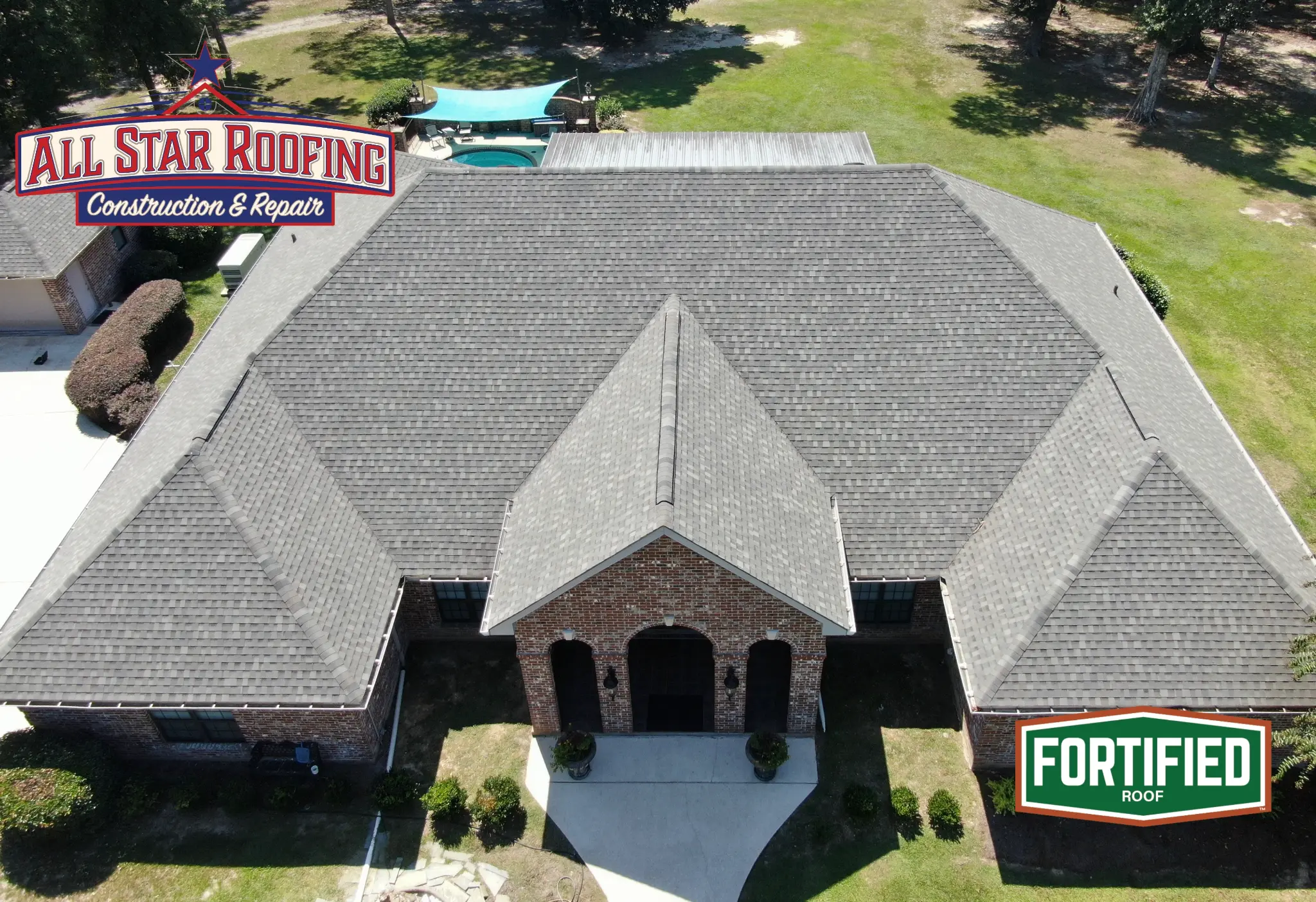
A useful inspection should examine every roof slope along with flashing, penetrations, valleys, edges, gutters, and accessible attic conditions. You should receive photos of your own roof and a clear distinction between urgent repairs, items to monitor, and optional improvements.
All Star Roofing provides roof inspections and roofing service in Slidell from its Mandeville-based Northshore team. If heavy rain exposed a leak, call (985) 626-7663 or request a free roof replacement estimate before another storm tests the same weak point.
Frequently asked questions
What should I do first if my roof starts leaking during heavy rain?
Move belongings away from the wet area, contain active drips, avoid electrical fixtures and sagging ceilings, take photos, and schedule a roof inspection. Do not climb onto a wet roof.
Does a ceiling stain show exactly where the roof is leaking?
Not always. Water can travel along decking, framing, pipes, or wiring before reaching the ceiling, so the exterior entry point may be several feet from the visible stain.
Can a Slidell roof leak be repaired without replacing the whole roof?
Often, yes. A localized shingle, flashing, vent, or pipe-boot problem may be repairable when the surrounding roof remains in good condition. Widespread damage or repeated leaks may require a broader solution.
Should I contact insurance before calling a roofer?
Start by documenting the damage and reviewing your policy. A professional inspection can provide photos and a written assessment, but coverage decisions belong to your insurance carrier and adjuster.
About All Star Roofing
All Star Roofing is a local Mandeville roofing company serving Saint Tammany Parish with roof replacement, roof repair, storm damage documentation, gutters, ventilation, and FORTIFIED roofing guidance.
Have a roof question about your Northshore home?
Call (985) 626-7663 or request a free roof replacement estimate from All Star Roofing in Mandeville.
Request Free Roof Replacement Estimate