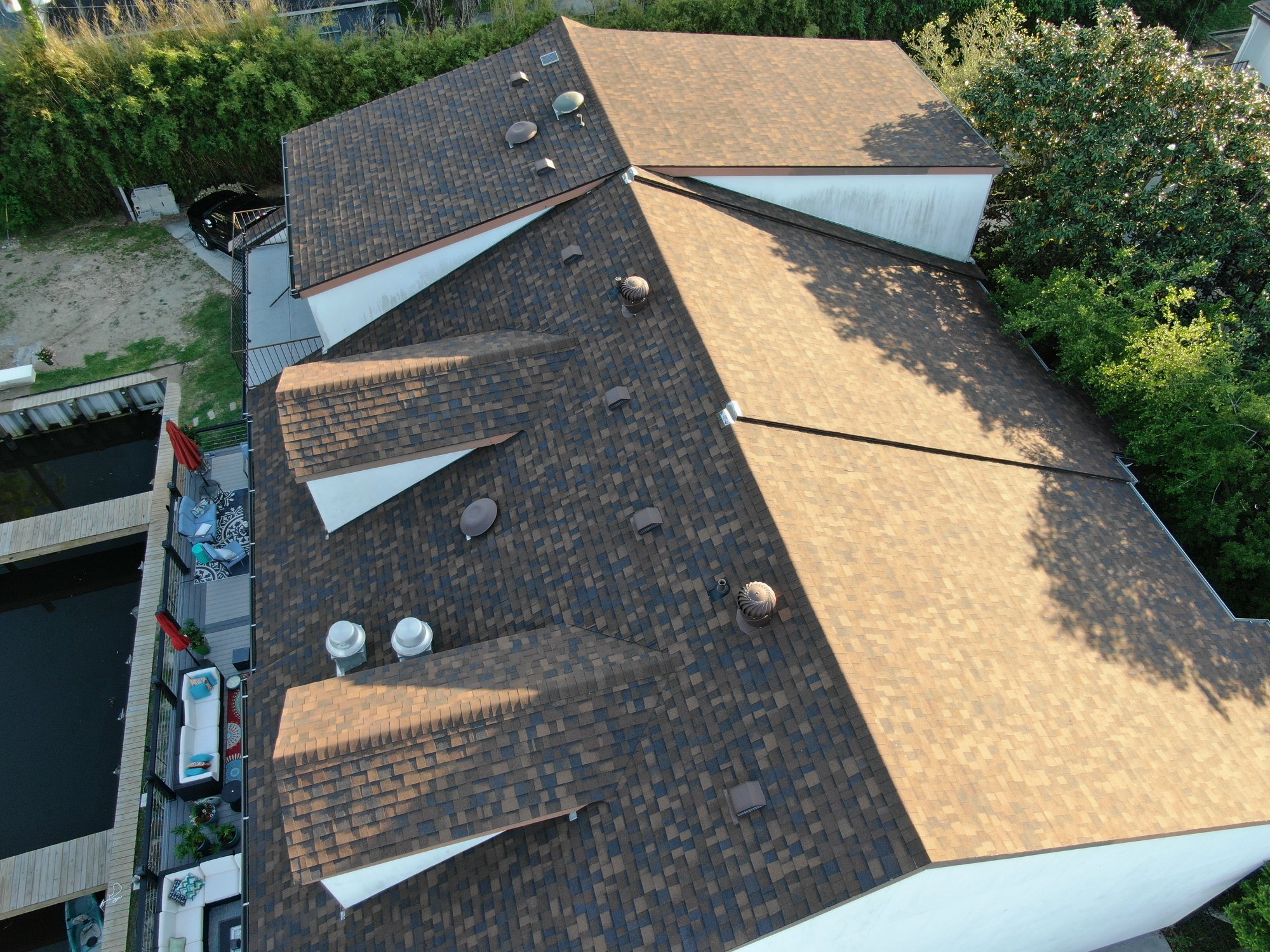
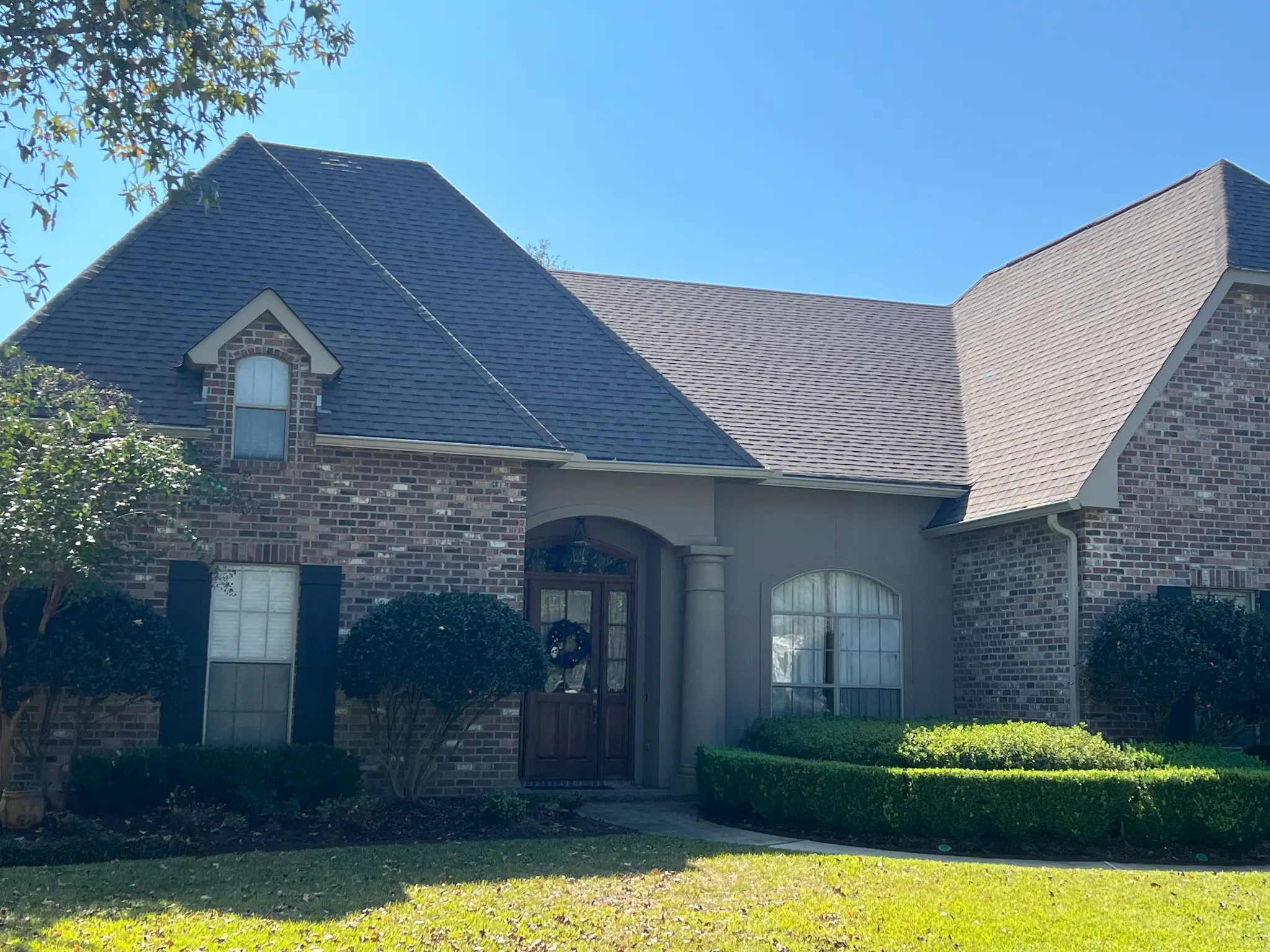
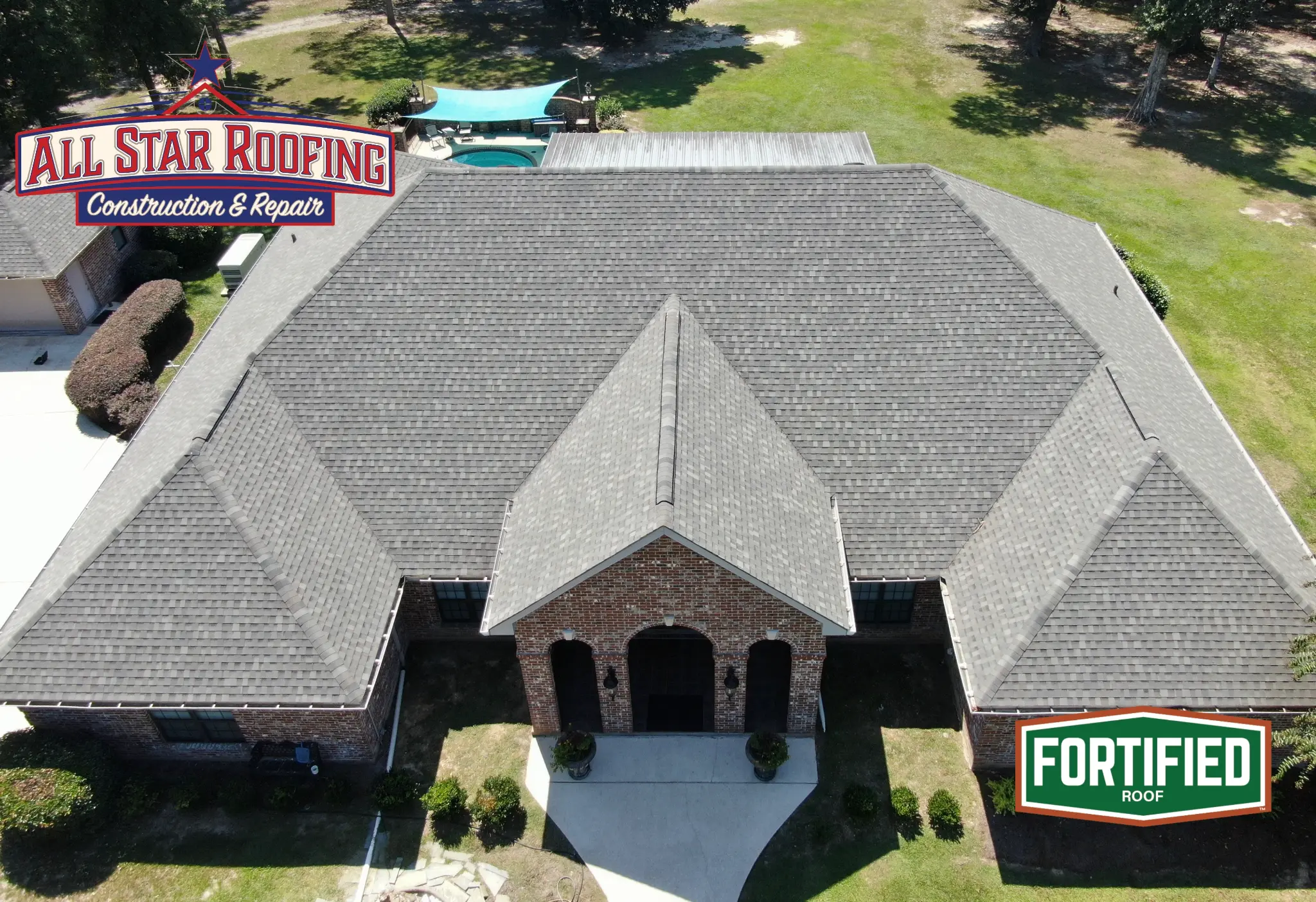
Hurricane season is here, and your roof is first in line
Atlantic hurricane season runs from June 1 through November 30, and Northshore homeowners know that date is not abstract. Mandeville, Covington, Madisonville, Slidell, Lacombe, and lakefront communities can feel the effects of Gulf systems even when the center of circulation lands somewhere else. Wind, heavy rain, falling limbs, hail, and tornado-producing outer bands all test the roof before most homeowners realize a problem exists.
Your roof is the home's first line of defense. If shingles are loose, flashing is cracked, gutters are clogged, or decking has been softened by an old leak, a storm can turn a manageable repair into interior water damage. If a storm has already hit, our storm damage roof repair in Mandeville page covers exactly what to do next. Preparation is not panic. It is the calm work you do before the Gulf gets active, when contractors can still schedule repairs and materials are easier to source.
This checklist is built for Mandeville and Northshore homes. It focuses on practical steps homeowners can take safely from the ground, plus the professional inspection items that matter most before peak storm months. It also includes an important 2026 note: the Louisiana Fortify Homes Program June lottery registration closed June 19, 2026 at 5 p.m., so homeowners considering FORTIFIED upgrades should act quickly.
Step 1: Schedule a professional pre-season roof inspection
Most serious storm leaks begin with existing weak points. A missing shingle, lifted ridge cap, cracked pipe boot, loose flashing edge, clogged valley, exposed fastener, or small attic stain may not feel urgent on a sunny day. Add tropical rain and wind pressure, and that weak point can become a ceiling stain, soaked insulation, or emergency tarp call.
A professional pre-season inspection should look at shingles, ridge caps, valleys, penetrations, pipe boots, flashing, gutters, fascia, soffits, ventilation, roof edges, and attic warning signs. The goal is not to scare homeowners into replacing a roof. The goal is to identify the practical repairs that reduce risk before the next storm threat.
All Star Roofing offers free roof replacement estimates for Mandeville and Northshore homeowners. A useful inspection should include photos, plain-language findings, repair priorities, and an explanation of what can wait versus what should be handled before peak storm activity.
- Missing, cracked, curling, or creased shingles
- Loose ridge caps or lifted roof edges
- Cracked pipe boots and unsealed penetrations
- Damaged flashing at walls, chimneys, and skylights
- Granule loss or visible shingle aging
- Attic stains, daylight, soft decking, or musty odors
Step 2: Repair known damage before a storm enters the Gulf
If your roof already has damage, do not wait until a storm is named. Once a system threatens the Gulf Coast, roofing schedules tighten quickly. Small repairs that could have been handled in a normal work window may become impossible to complete safely before landfall. Emergency tarping can help, but it is not the same as a proper repair.
Common pre-season repairs include replacing damaged shingles, resealing or replacing pipe boots, correcting flashing issues, securing loose gutters, repairing fascia or soffit damage, clearing valleys, and improving ventilation. If your roof is near the end of its service life, the inspection should also help you decide whether replacement planning is more responsible than repeated patching.
The financial logic is simple. A targeted repair in June can prevent a much larger loss in August or September. The best time to address roof risk is before weather pressure, material shortages, and post-storm demand make everything harder.
Step 3: Trim trees and clear roof debris
Trees are part of the Northshore landscape, but branches near a roof become a storm risk. During high winds, limbs can scrape shingles, puncture roof decking, bend gutters, damage flashing, and block drainage paths. Even smaller branches can remove protective granules from shingles over time.
Trim branches that touch the roof or hang close enough to hit the roof in wind. Remove dead limbs and consider a professional tree service for large branches or trees near the home. Do not climb onto the roof to cut limbs yourself. Tree work can be dangerous, and roof walking can damage shingles.
While trimming, think about drainage too. Leaves, pine needles, and small debris collect in valleys and behind chimneys. Those piles hold water against the roof and slow drying after rain. A clean roof sheds water faster, which is exactly what you want during hurricane season.
- Trim branches away from roof surfaces and gutters.
- Remove dead or diseased limbs before storm watches are issued.
- Clear debris from valleys and low-slope transitions.
- Keep tree work off your DIY list when heights or power lines are involved.
Step 4: Clean and secure gutters
Gutters matter during hurricanes because they move large volumes of water away from the roof edge and foundation. When gutters are clogged, water can back up under shingles, soak fascia, overflow near entries, and pool near the home. During a tropical downpour, a gutter problem can show up fast.
Before peak storm months, remove leaves and debris, check for loose brackets, confirm downspouts are connected, and make sure water discharges several feet away from the foundation. Look for sagging sections or rusted areas that may fail under heavy flow. If gutter guards are installed, verify they are not trapping debris at roof valleys.
Gutter work also helps expose roof-edge issues. If fascia is soft, drip edge is loose, or shingles are damaged at the eaves, handle those repairs before storm pressure tests the area.
Step 5: Check your attic and document roof condition
Your attic can show roof problems that are not visible from the ground. On a safe day, look for daylight through the roof deck, water stains on rafters or decking, damp insulation, rusted nail tips, sagging areas, and musty odors. These signs can point to leaks, poor ventilation, or trapped moisture. If the attic is unsafe, hot, cramped, or difficult to access, call a professional instead.
Documentation is also part of storm preparation. Take ground-level photos of each roof slope, gutters, exterior walls, and any known issue areas. Photograph the attic if you can do so safely. Store the images in cloud storage so they remain available if your phone is damaged or power is out.
Before-and-after documentation can help during an insurance claim because it creates a record of roof condition before the storm. It will not guarantee coverage, but it helps keep the conversation organized.
Step 6: Consider FORTIFIED if replacement is already on the table
If your roof is aging or you already planned a replacement, 2026 is an important year to evaluate FORTIFIED options. The Louisiana Fortify Homes Program provides grants of up to $10,000 for eligible homeowners who upgrade roofs to the IBHS FORTIFIED Roof standard. The historical June 2026 lottery registration window closed Friday, June 19, 2026 at 5 p.m.
A FORTIFIED roof can include stronger roof edges, sealed roof decking, better attachment, and optional impact-resistant shingles. The goal is to reduce wind uplift and water intrusion, two of the biggest roof failure risks during hurricanes. If the work is completed and certified, the homeowner receives a certificate that can be shared with the insurance company for any available policy discount.
Do not start LFHP-covered work before program approval. The official program rules say homeowners who select a contractor and begin work before receiving approval are not eligible. Registration is currently closed. Follow LDI announcements and requirements before applying in a future round.
The 72-hour roof checklist when a storm is approaching
Once a hurricane threatens the Northshore, your goal changes from improvement to safety and documentation. At 72 hours out, secure loose outdoor items, check that gutters and downspouts are clear, review insurance contacts, and make final safe preparations. At 48 hours, make sure emergency supplies are accessible, charge devices, and move valuables away from known leak-prone areas such as skylights or chimneys.
At 24 hours, do not attempt roof repairs. Wind, rain, ladders, and wet shingles are a dangerous combination. If officials recommend evacuation, focus on family safety. Take final photos only from safe ground-level areas.
After the storm passes, do not climb onto the roof. Photograph visible damage from the ground, protect interiors from active leaks when safe, contact your insurance carrier if damage is present, and schedule a professional roof inspection. Hidden wind damage may not leak immediately, so a roof that looks fine from the driveway can still need attention.
- 72 hours: secure outdoor items, clear gutters, review insurance contacts.
- 48 hours: stage emergency supplies and move valuables away from leak-prone areas.
- 24 hours: stop roof work and follow safety or evacuation guidance.
- After the storm: document damage from the ground and schedule a professional inspection.
Conclusion: prepare before the Gulf gets busy
The cost of preparation is usually lower than the cost of recovery. A small roof repair, clean gutter system, trimmed branch, or pre-season inspection can prevent thousands of dollars in water damage later. The earlier you act, the more options you have.
The June application window described in this article has ended. Mandeville and Northshore homeowners can continue preparing their roofs for storms while checking LDI for future LFHP announcements.
Frequently asked questions
How much does a pre-season roof inspection cost?
All Star Roofing offers free roof replacement estimates for Mandeville and Northshore homeowners.
Should I replace my roof before hurricane season?
If the roof is older, leaking, missing shingles, or near the end of its service life, a professional inspection can help you decide whether repair or replacement is the safer choice.
Can I inspect my own roof?
You can look from the ground and check the attic if it is safe, but walking on the roof is risky and can damage shingles. A professional inspection is safer and more thorough.
What should I do if a storm is 24 hours away?
Do not attempt roof repairs. Focus on safety, documentation from the ground, and following local emergency guidance.
What is the 2026 FORTIFIED grant deadline?
The June 2026 Louisiana Fortify Homes Program lottery registration closed Friday, June 19, 2026 at 5 p.m.
About All Star Roofing
All Star Roofing is a local Mandeville roofing company serving Saint Tammany Parish with roof replacement, roof repair, storm damage documentation, gutters, ventilation, and FORTIFIED roofing guidance.
Have a roof question about your Northshore home?
Call (985) 626-7663 or request a free roof replacement estimate from All Star Roofing in Mandeville.
Request Free Roof Replacement Estimate