Start with safety, then documentation
After a Gulf Coast hail or wind event, it is normal to feel pressure to act quickly. Shingles may be missing, tree limbs may be down, gutters may be bent, and neighbors may already have roofing signs in their yards. The first step is safety. Do not climb on a wet, damaged, or steep roof. Do not touch downed lines. Do not enter an attic if water and electricity are creating a hazard. Once the property is safe, begin documenting what you can see from the ground.
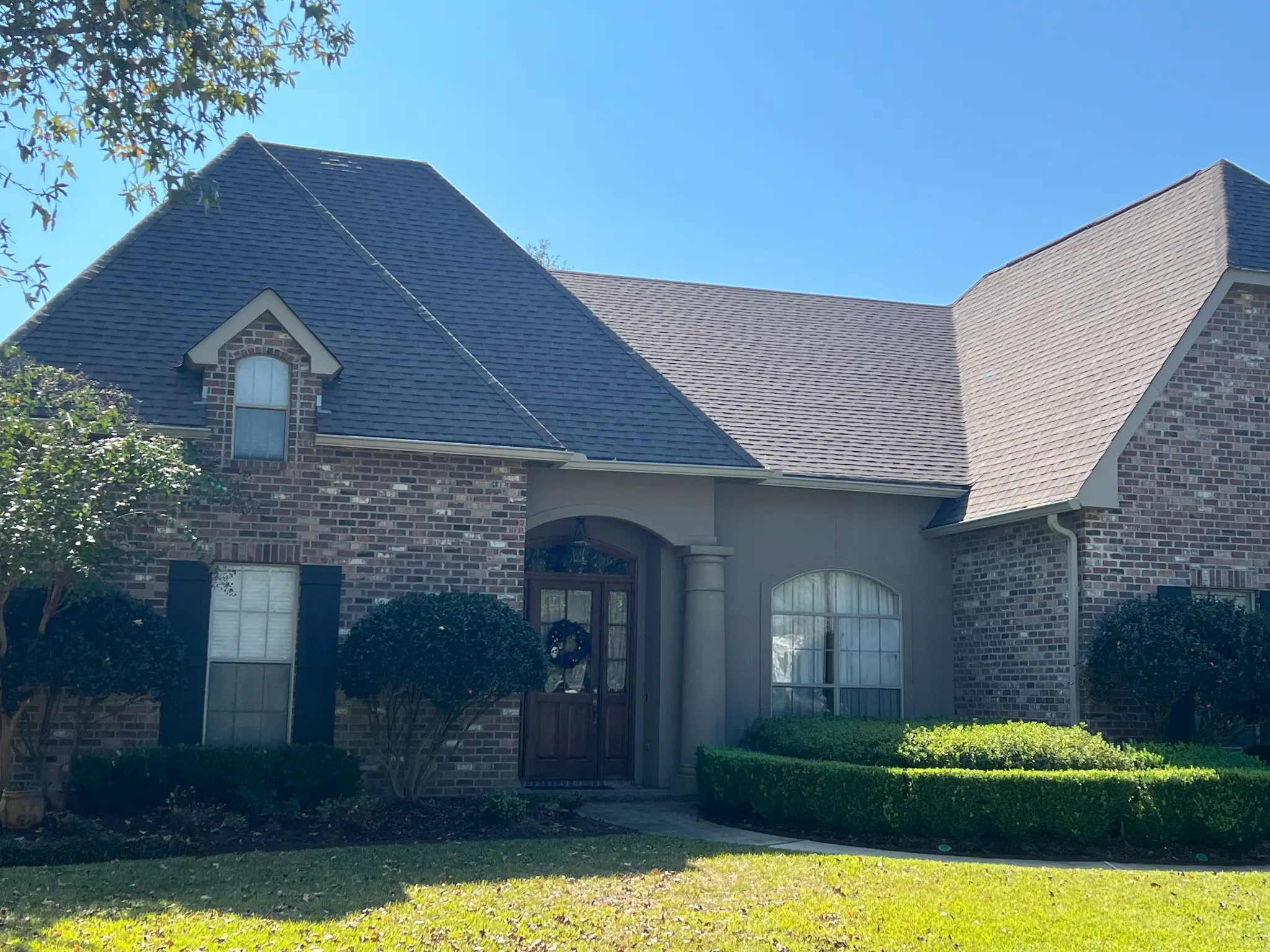
Photos and videos are useful because storm damage can change quickly. Take pictures of missing shingles, lifted shingles, damaged ridge caps, dented vents, gutter impact marks, interior ceiling stains, fallen limbs, and any temporary repairs. Include wide photos that show the whole slope and close photos that show detail. If you know the approximate time of the storm, write it down. Keep receipts for tarping, emergency mitigation, or cleanup.
Documentation does not guarantee coverage, but it helps create a clear record. Insurance carriers make decisions based on policy language, observed damage, cause of loss, and adjuster findings. Your job as the homeowner is to report the issue honestly and preserve evidence. A local roofing contractor can help inspect and document roof conditions before or during the claim process — that documentation-first approach is exactly how our storm damage roof repair service works.
What roof damage may look like after hail or wind
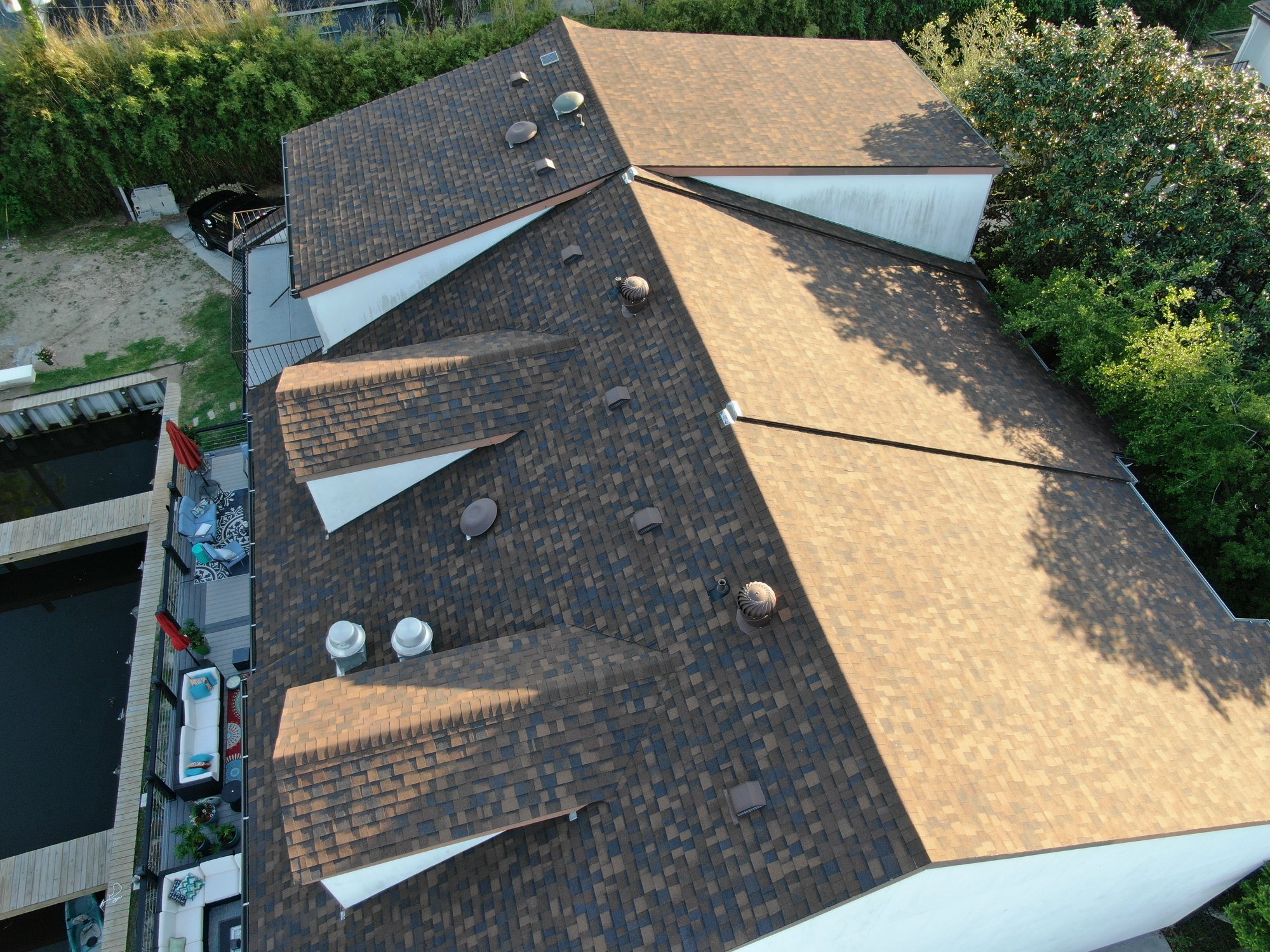
Wind damage is not always a missing shingle in the front yard. It can include creased shingles, lifted tabs, damaged starter strip, exposed fasteners, torn ridge caps, loose flashing, or separated seal strips. Hail damage can show as bruised shingles, granule displacement, dents on soft metals, cracked vents, and impact marks on gutters or downspouts. Some hail damage is subtle from the ground and needs a trained inspection.
Interior signs matter too. A ceiling stain after a storm may point to a roof penetration, valley, chimney, or flashing issue. Water can travel before it appears inside, so the stain location is not always directly below the roof problem. Attic photos can help trace the path, but only enter the attic if it is safe.
Storm damage can overlap with age-related wear. Older shingles may be brittle, curled, or losing granules before the storm. A good inspection separates storm-created conditions from long-term deterioration as clearly as possible. That distinction matters because insurance policies generally treat sudden storm damage differently than wear and maintenance.
- Missing, torn, or creased shingles
- Bruising or impact marks on asphalt shingles
- Dented vents, gutters, flashing, or downspouts
- Damaged pipe boots or roof penetrations
- Water stains on ceilings or attic decking
- Debris impact from limbs or wind-blown objects
Should you call the roofer or insurance company first?
There is no single answer for every situation. If there is active leaking or obvious storm damage, contact a reputable local roofer quickly for emergency mitigation and documentation. If damage appears significant, you may also need to notify your insurance carrier promptly. Many homeowners prefer a roof inspection before filing so they understand whether there is visible damage worth reporting.
A contractor should not promise that your claim will be approved. That decision belongs to the carrier. A contractor can inspect, photograph, explain roof conditions, provide repair or replacement estimates, meet with an adjuster when appropriate, and answer construction questions. Be cautious of anyone who guarantees a free roof, tells you to ignore your deductible, or pressures you to sign before you understand the scope.
If you file a claim, ask the carrier about the next steps, adjuster schedule, temporary repair expectations, and documentation requirements. Keep a written record of claim numbers, adjuster names, dates, photos, and receipts. Organized homeowners usually have a smoother process.
Understanding deductibles, depreciation, and supplements
The deductible is the portion of the covered loss the homeowner is responsible for under the policy. In Louisiana, wind and hail deductibles may differ from other deductibles, and some policies use a percentage deductible. Read your declarations page carefully and ask your agent or carrier if you are unsure. A contractor should not hide, waive, or manipulate deductibles.
Depreciation is another common source of confusion. Some policies pay actual cash value first and release recoverable depreciation after repairs are completed. Other policies may have different terms based on roof age, material, or coverage type. This is a policy question, not a guess. Ask the carrier how payment will work before you commit to a project timeline.
Supplements may occur when the approved scope misses required items, code-related details, hidden damage, or quantity differences discovered during work. A supplement is not a blank check. It is a documented request for the carrier to review additional scope. Clear photos, measurements, and explanations help keep the process professional.
- Review your deductible and coverage type.
- Document storm damage before cleanup when safe.
- Request a local roof inspection.
- File the claim if damage and timing support it.
- Keep all photos, receipts, estimates, and carrier messages together.
Temporary repairs and preventing further damage
Most policies require homeowners to take reasonable steps to prevent further damage. That might include tarping a leaking area, removing wet contents, drying affected rooms, or stopping water intrusion where safe. Keep receipts for temporary work. Do not make permanent repairs before the damage is documented unless safety requires immediate action.
A tarp is not a long-term roof repair. It can buy time, but South Louisiana storms can move tarps, loosen fasteners, and drive water under edges. If your roof needs temporary protection, ask when permanent repairs can be scheduled and what areas remain vulnerable.
Interior water should be handled seriously. Wet insulation, drywall, and framing can create secondary problems if ignored. If water entered the home, document the area and consider appropriate mitigation. Your roofing contractor can address the roof source, while other restoration professionals may be needed for interior drying and repair.
Conclusion: slow down enough to do it right
After a hail or wind event, the best path is calm, documented, and local. Stay safe, photograph what you can, protect the home from further damage, understand your policy basics, and work with professionals who explain the process clearly. Avoid pressure tactics and promises that sound too easy.
All Star Roofing helps Northshore homeowners inspect roof damage, document findings, coordinate with adjusters when appropriate, and complete storm repairs with clear communication. If your Mandeville, Covington, Madisonville, or Slidell home was hit by hail or wind, request a free roof replacement estimate before small problems turn into larger repairs.
Frequently asked questions
Will filing a roof claim raise my premium?
Premium decisions vary by carrier, policy, location, and claim history. Ask your agent or carrier how claims may affect your specific policy.
Can a roofer approve my insurance claim?
No. The insurance carrier decides coverage. A roofer can document damage, provide estimates, and answer construction questions.
What if the adjuster missed damage?
You can ask about the carrier's review or supplement process. Photos, measurements, and a contractor scope can help clarify missing items.
Should I wait if the roof is leaking?
No. Take reasonable steps to prevent further damage and document the issue as soon as it is safe.
About All Star Roofing
All Star Roofing is a local Mandeville roofing company serving Saint Tammany Parish with roof replacement, roof repair, storm damage documentation, gutters, ventilation, and FORTIFIED roofing guidance.
Have a roof question about your Northshore home?
Call (985) 626-7663 or request a free roof replacement estimate from All Star Roofing in Mandeville.
Request Free Roof Replacement Estimate