Why a roof inspection is worth your time on the Northshore
Most homeowners only think about their roof when something goes wrong: a stain spreads across a ceiling, shingles show up in the yard after a storm, or an insurance renewal letter asks how old the roof is. By that point, the roof has usually been trying to get your attention for a while. A proper roof inspection is how you hear it early, while the fix is still small.
On the Northshore, roofs work harder than they do in most of the country. Between Lake Pontchartrain moisture, summer heat that bakes shingles for months, and wind events that arrive with little warning, a roof in Mandeville, Covington, or Slidell ages differently than the same roof would in a milder climate. An inspection is not a sales appointment. It is a documented look at how your specific roof is holding up against those specific conditions.
This article walks through what a real inspection covers, how long it takes, what you should receive afterward, and how to tell a thorough inspection from a drive-by glance.
What a thorough roof inspection actually covers
A legitimate inspection works through the roof as a system, not just the shingles you can see from the street. Ask the roofer to explain the assessment scope and the documentation available for your property. The details vary by roof, but a thorough inspection generally covers four areas.
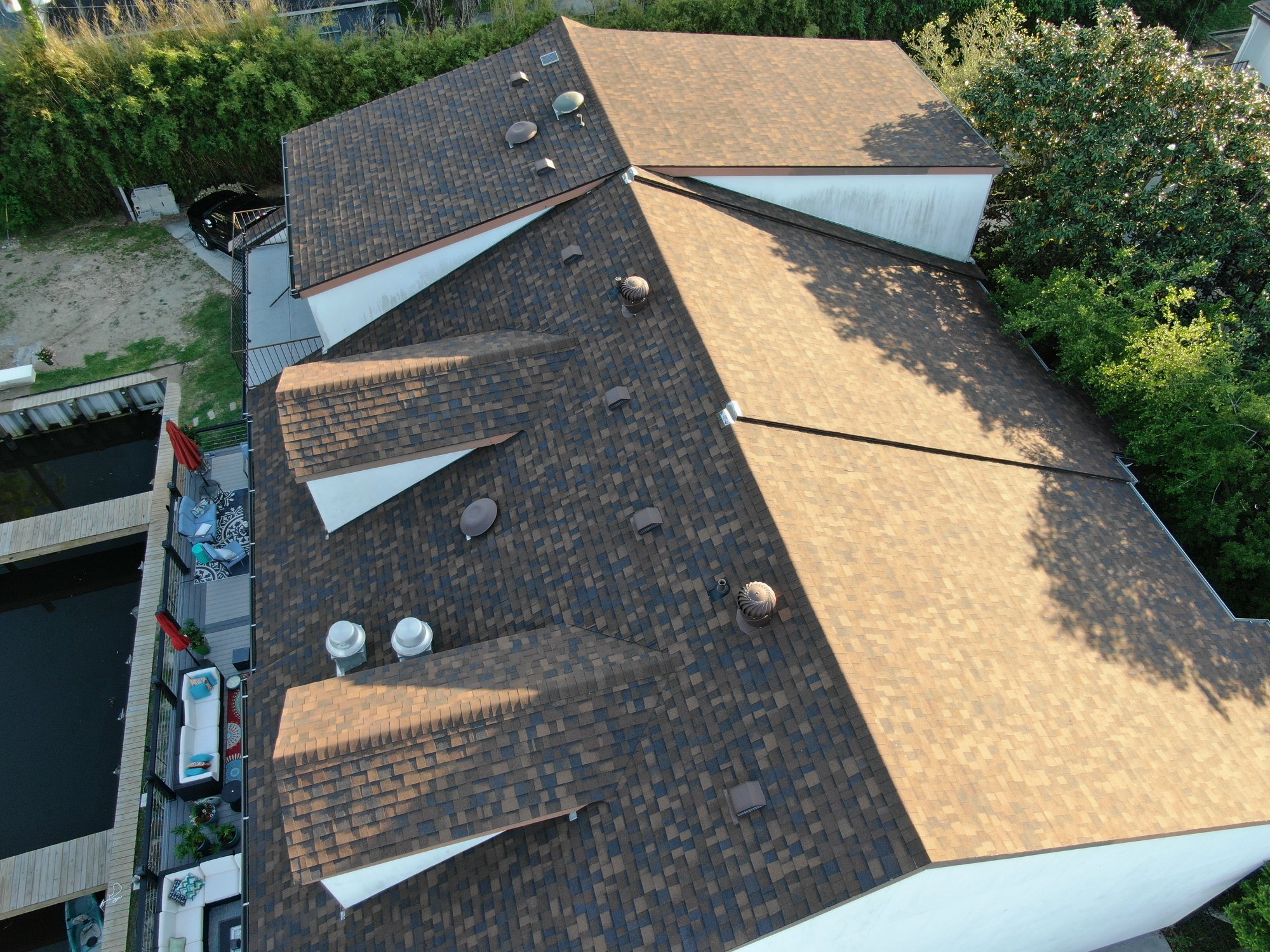
The roof covering. The inspector examines shingle condition across every slope, not just the one facing the driveway. That means looking for cracked, curled, or missing shingles, granule loss that exposes the asphalt mat, and sealant strips that have let go. On the Northshore, south- and west-facing slopes often age faster because they take the most sun, so a good inspector compares slopes rather than judging the whole roof from one angle.
Flashing and penetrations. Most leaks do not start in the middle of a shingle field. They start where the roof is interrupted: chimneys, plumbing vents, skylights, satellite mounts, and the valleys where two slopes meet. The inspector checks that flashing is intact, properly layered, and sealed, and that pipe boots have not cracked from UV exposure — a very common failure point on Louisiana roofs that is cheap to fix when caught early.
Roof edges and drainage. Drip edge, fascia, soffits, and gutters determine whether water leaves the roof cleanly or gets pulled back into the structure. Wind damage also tends to begin at the edges, so edge condition says a lot about how the roof will behave in the next storm.
The attic side, when accessible. Some of the most useful evidence lives under the roof: water staining on decking, daylight showing through, rusted nail tips, sagging between rafters, and moisture in insulation. An attic check can confirm whether a stain on your ceiling is an active leak or an old one that already got fixed.
How long it takes and what it costs
Confirm the appointment duration with the roofer; roof size, slope, access and assessment scope affect the time needed. The homeowner does not need to do anything to prepare beyond providing access — although if you know where the attic hatch is and can clear a path to it, the attic portion goes faster.
All Star Roofing offers a free roof replacement estimate. Ask separately about any inspection service, its scope, fees and documentation before booking; an estimate should not be treated as a guaranteed condition report.
What you should receive afterward
An inspection you cannot see is an opinion, not an inspection. Before booking, ask how findings will be explained and which documentation is included. Useful items to discuss include:
- Photos of any problem areas, taken on your roof that day — not stock images of what damage "usually" looks like.
- A plain-language summary of the roof's overall condition and estimated remaining service life.
- A clear separation between items that need attention now, items to monitor, and items that are cosmetic.
- If work is recommended, a written scope and estimate — whether that is a targeted roof repair or a full roof replacement.
Keep that documentation even if you do nothing right away. A dated inspection report with photos is valuable if you ever file an insurance claim, sell the home, or need to show when damage first appeared.
The three outcomes of an inspection
Almost every inspection lands in one of three places, and knowing them ahead of time makes the conversation easier.
- The roof is in good shape. You get a baseline report, a rough sense of remaining life, and a suggested re-inspection timeline — typically annually, or after any major wind or hail event.
- The roof needs targeted repair. A cracked pipe boot, a lifted flashing section, a small area of wind-damaged shingles. These are the findings that make inspections worthwhile, because a few hundred dollars of repair now routinely prevents interior damage that costs many times more later.
- The roof is near the end of its life. Widespread granule loss, brittle shingles, soft decking, or repeated leaks in different places point toward replacement. A good inspector explains why, shows the evidence, and gives you time to plan rather than pressure to sign — and can walk you through options like a standard or FORTIFIED replacement on your timeline, not a storm's.
How to spot a bad inspection
After every named storm, out-of-town crews canvass St. Tammany Parish neighborhoods offering free inspections. Some are legitimate. Many are not. A few warning signs:
- The "inspection" happens entirely from the ground in a few minutes, but somehow concludes you need a new roof.
- You are pressured to sign anything on the spot — especially an assignment of insurance benefits — before you have a written report.
- The inspector cannot show you photos of your own roof, or shows damage without being able to point to where on the roof it is.
- There is no local address or license to verify. A company that will be here next year behaves differently from one that will not.
A trustworthy inspection leaves you with evidence and options. It should be entirely reasonable to say "let me think about it" and get a follow-up call next week, not a discount that expires tonight.
When to schedule one
For most Northshore homes, once a year is right, plus after any storm strong enough to bring down branches. The best windows are spring, before hurricane season peaks, and fall, after it ends — when whatever the summer did to the roof can be found and fixed before winter rain settles in.
Schedule sooner if you have a specific trigger: a ceiling stain, shingles or granule piles in the gutters, a roof over 12–15 years old that has never been inspected, or an insurance company asking for a roof condition report at renewal.
Conclusion: plan the next step for your roof
Homeowners in Mandeville, Covington, Madisonville, Slidell and across the Northshore can review our roofing services or call to discuss their roof concerns. Request a free roof replacement estimate, and confirm any separate inspection scope and documentation before booking.
Frequently asked questions
How long does a roof inspection take?
Confirm the appointment duration with the roofer; roof size, slope, access and assessment scope affect the time needed.
Does All Star Roofing charge for roof inspections?
The approved offer is a free roof replacement estimate. Confirm any separate inspection scope, fees and deliverables with the team before booking.
What should I receive after a roof inspection?
Before booking, ask which photos, findings and written recommendations are included. Confirm the deliverables for the agreed assessment scope.
How often should I have my roof inspected?
Once a year for most Northshore homes, plus after any storm strong enough to bring down branches.
About All Star Roofing
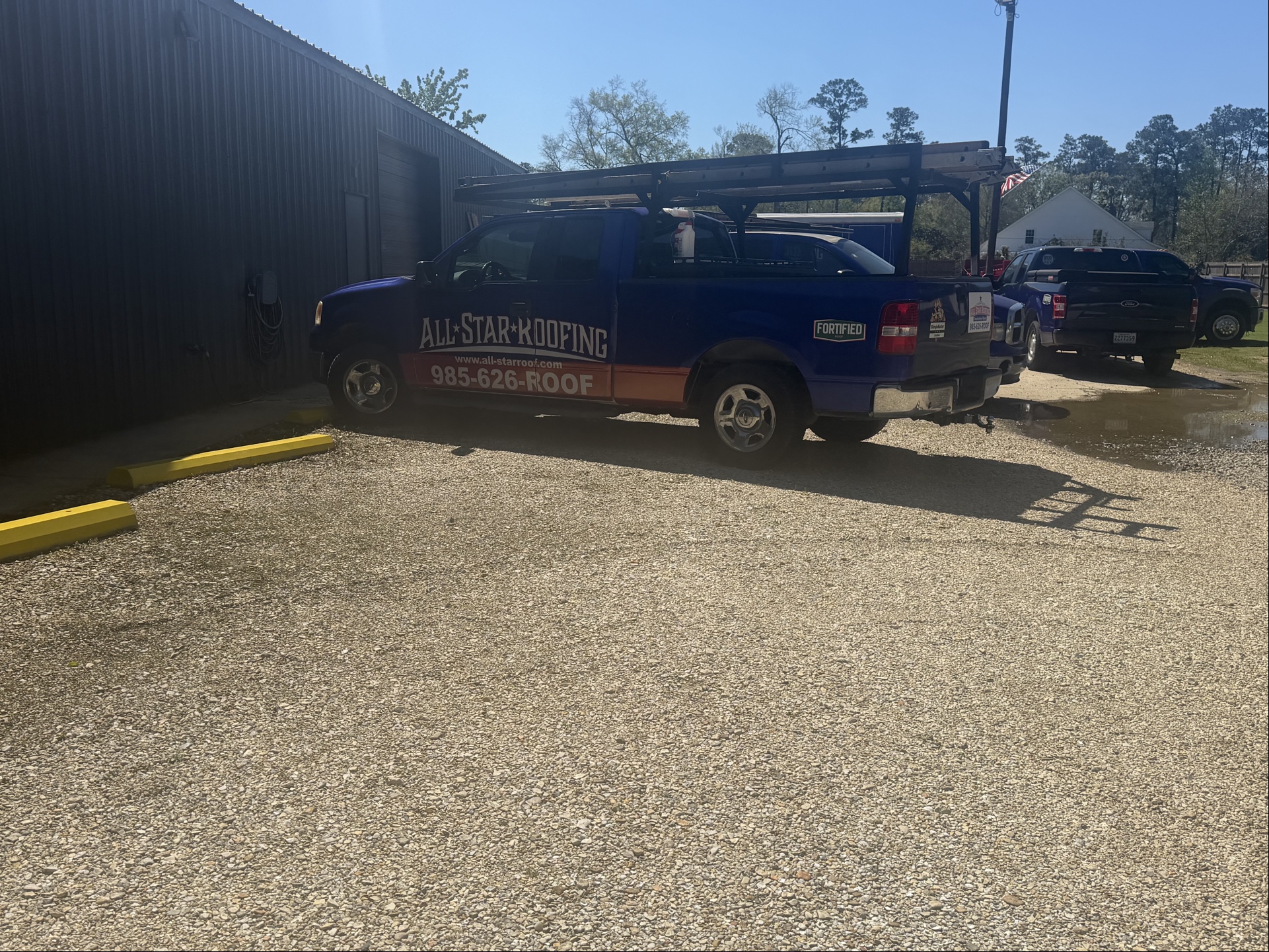
All Star Roofing is a local Mandeville roofing company serving Saint Tammany Parish with roof replacement, roof repair, storm damage documentation, gutters, ventilation, and FORTIFIED roofing guidance.
Have a roof question about your Northshore home?
Call (985) 626-7663 or request a free roof replacement estimate from All Star Roofing in Mandeville.
Request Free Roof Replacement Estimate